
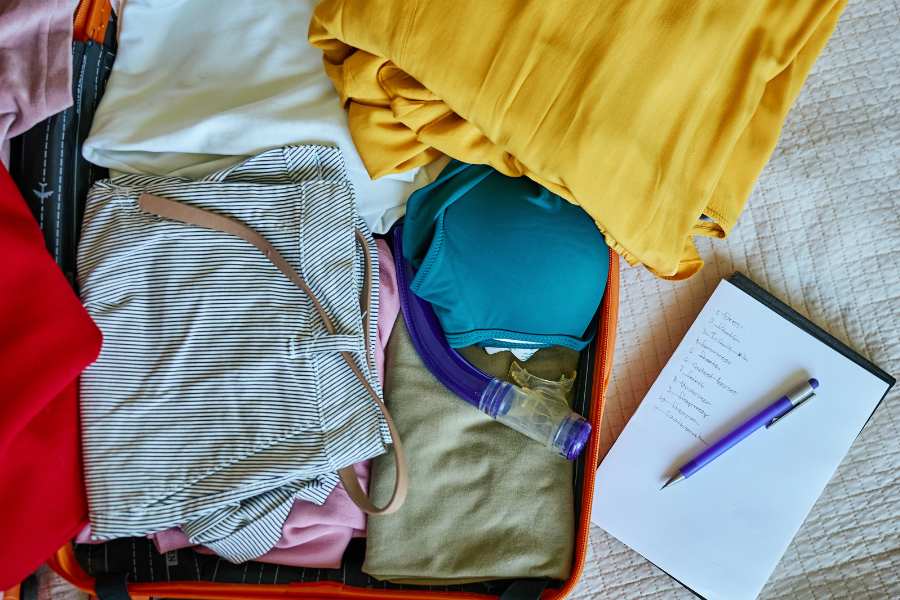

Last month, I met a traveler at Colombo Airport wearing a thick winter jacket in 30°C heat. She’d packed for “monsoon season” after reading it online, not realizing monsoons are warm tropical rain, not winter weather! I’ve also seen visitors turned away from sacred temples because of inappropriate clothing, and watched others struggle in flip-flops while climbing Sigiriya Rock. These avoidable situations happen every day.
Packing for Sri Lanka isn’t like packing for typical beach destinations. This incredible island nation packs astounding diversity into a compact space—pristine beaches where you’ll need swimwear, ancient temples requiring modest dress, cool misty mountains demanding layers, and wildlife safaris calling for neutral colors. The tropical climate adds another layer of complexity with high humidity, intense sun, and regional weather variations.
After years of welcoming travelers and hearing their “I wish I’d known” stories, we’ve created the ultimate Sri Lanka packing list for 2025. This isn’t a generic checklist—it’s insider knowledge from local experts who’ve seen what works, what doesn’t, and what you’ll actually use. Whether you’re planning a 7-day beach escape or a 2-week grand tour, we’ve got you covered! 🎒
Understanding Sri Lanka’s Climate & Packing Needs 🌴
Before you start throwing clothes in your suitcase, understanding Sri Lanka’s tropical climate is crucial for smart packing. This knowledge transforms you from a confused tourist lugging unnecessary items into a savvy traveler with exactly what you need.
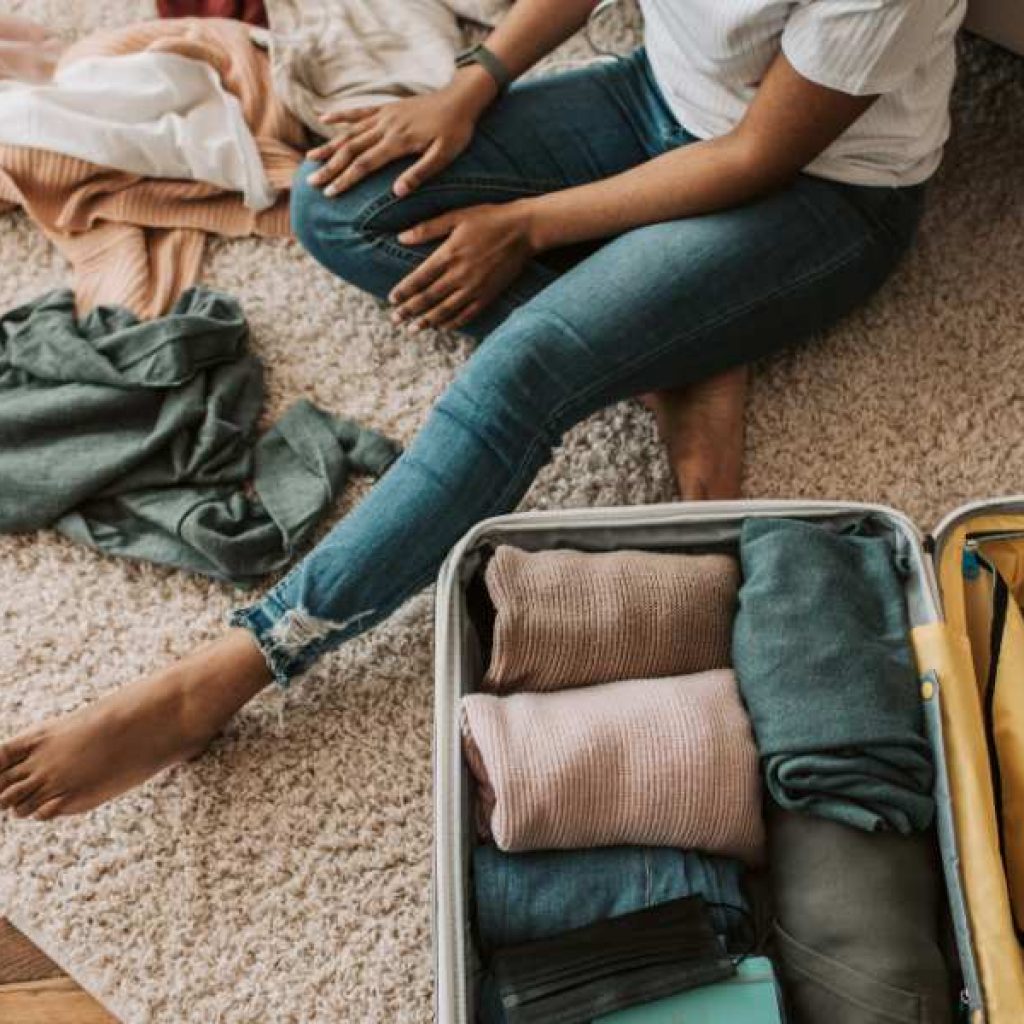
Sri Lanka sits just above the equator, creating consistent warm temperatures year-round. Coastal areas typically hover between 27-32°C (80-90°F) with high humidity (70-90%). Your clothes will feel damp within minutes of stepping outside—this isn’t optional, it’s physics! That’s why fabric choices matter enormously here.
The hill country (Nuwara Eliya, Ella, Kandy) operates on completely different rules. Temperatures drop to 15-20°C (59-68°F) during the day and can plunge to 10°C (50°F) at night. Many travelers experience genuine cold here—yes, in tropical Sri Lanka! You’ll absolutely need layers.
Regional weather variations mean that while the West Coast basks in sunshine, the East Coast might see rain (or vice versa). This is why your Sri Lanka packing list needs versatility. The dual monsoon system creates year-round opportunities to visit, but you must pack adaptively.
Season-specific considerations: December-March travelers can pack lighter with minimal rain gear. April-September visitors need to consider which coast they’re visiting—the west coast requires rain protection, the east coast doesn’t. (For detailed monthly weather breakdowns, check our comprehensive weather guide!)
Why versatile packing is essential: A typical Sri Lanka itinerary might include beach days requiring swimwear, temple visits demanding modesty, mountain excursions needing warmth, and safaris calling for practical clothing—all within the same week! The key is choosing multi-purpose items that work across scenarios. Light, quick-drying, modest-yet-comfortable clothing becomes your best friend.
Smart packing for Sri Lanka means respecting the climate while preparing for diversity. Let’s dive into exactly what belongs in your luggage! 👕
Essential Clothing Items 👗
A. Everyday Wear
Your daily wardrobe in Sri Lanka needs to balance comfort, climate, and cultural appropriateness. Forget heavy fabrics—they’ll become unbearable within hours.
Fabric is EVERYTHING:
- Cotton: Breathable, comfortable, widely available locally if you need more
- Linen: Excellent for hot weather, though wrinkles easily (Sri Lanka doesn’t mind!)
- Moisture-wicking synthetics: Perfect for active days, dries quickly
- Avoid: Polyester that doesn’t breathe, heavy denim, anything requiring ironing
Recommended quantities for your Sri Lanka packing list:
7-Day Trip:
- 5-6 t-shirts or casual tops
- 3-4 shorts/skirts/light pants
- 1-2 light long pants
- 2-3 sundresses (if applicable)
- 7 sets of underwear (laundry services available)
- 3-4 pairs of socks
10-Day Trip:
- 7-8 tops (mix of casual and slightly nicer)
- 4-5 bottoms (combination of shorts and pants)
- 2-3 long pants/long skirts
- 2-3 dresses
- 10+ underwear sets
- 5-6 pairs of socks
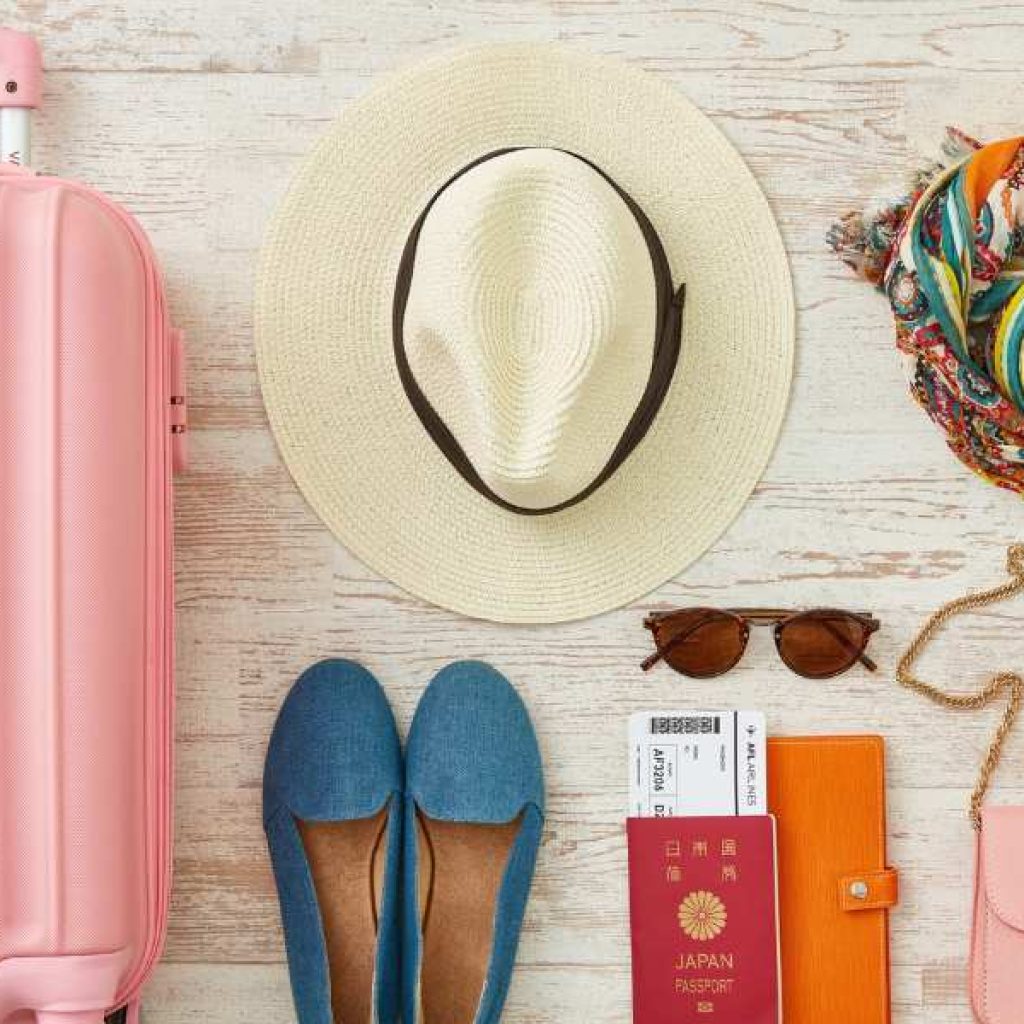
14-Day Trip:
- Don’t pack proportionally more! Use laundry services (excellent and affordable in Sri Lanka, usually 24-hour turnaround). Stick to 10-day quantities and wash halfway through.
Pro tip from our experience: Travelers consistently pack too much. You’ll wear the same favorite 3-4 outfits repeatedly anyway. Pack less, enjoy more!
B. Beach & Pool Wear 🏖️
Essential swimwear items:
- 2-3 swimsuits/swim trunks: One dries while you wear another (humidity slows drying)
- Cover-ups: Sarongs, light kaftans, or beach shirts for walking between beach and accommodation
- Rash guard/swim shirt: Provides sun protection for water activities (seriously, the equatorial sun is intense!)
Beach accessories:
- Lightweight beach bag or waterproof tote
- Flip-flops for sand (separate from walking sandals)
- Sunhat that won’t blow away in ocean breezes
Cultural note: While bikinis and swim shorts are completely acceptable at beaches and resort pools, avoid wearing them in towns or on the journey to/from beaches. Pack a cover-up!
C. Temple & Cultural Site Attire 🛕
This is where many travelers make critical mistakes. Sri Lanka takes temple dress codes seriously—guards will turn you away if dressed inappropriately, and no, they won’t make exceptions.
Universal temple requirements:
- Shoulders covered (no tank tops, spaghetti straps, or sleeveless)
- Knees covered (no short shorts, mini skirts, or above-knee clothing)
- Shoes off (you’ll be barefoot, so bring socks if your feet get hot on the stone)
- Modest fit (nothing too tight or revealing)
For Women:
- Long skirts or pants (loose, breathable)
- Lightweight long-sleeve shirts or shawls
- Maxi dresses with sleeves (perfect temple outfit!)
- Large scarf/sarong (can cover shoulders/legs if needed)
- Insider tip: A light cotton maxi dress with a cardigan is your temple uniform—comfortable, respectful, and works everywhere
For Men:
- Long pants (lightweight cotton or linen)
- Collared shirts or t-shirts with sleeves
- Note: Shorts are generally not acceptable at temples, regardless of length
Easy outfit combinations that work: Loose linen pants + cotton t-shirt + light cardigan = temple-ready, comfortable in heat, works for nice dinners too. This versatility is what to pack for Sri Lanka travel!
Common mistake we see: Travelers bringing only beachwear and then scrambling to buy appropriate clothing. Save money and stress by packing right from the start!
D. Hill Country & Evening Wear 🌄
For Nuwara Eliya, Ella, Kandy:
- Light fleece or cardigan: Temperatures drop significantly
- Long pants: Genuinely necessary for comfort
- Light jacket: Evening temperatures surprise people
- Closed-toe shoes: Much more comfortable than sandals in cool weather
- Long sleeves: Mornings and evenings can be genuinely chilly
Temperature reality check: Nuwara Eliya is nicknamed “Little England” for good reason—it’s genuinely cool! Nights regularly drop to 10-12°C (50-54°F). International travelers from warm climates often underestimate this.
Evening dining wear: Most restaurants in tourist areas maintain casual standards, but some upscale establishments appreciate smart-casual:
- One nice outfit for special dinners
- Clean, non-beach casual wear
- Light layers you can dress up or down
E. Active/Adventure Wear 🥾
Hiking essentials (Ella Rock, Little Adam’s Peak, Adam’s Peak, Horton Plains):
- Comfortable athletic wear
- Quick-dry fabrics (you’ll sweat!)
- Breathable t-shirts
- Athletic leggings or hiking pants
- Sports bra for women: Essential support for steep climbs
Safari-appropriate clothing:
- Neutral colors: Khaki, olive, beige, brown (bright colors can startle animals)
- Long sleeves for sun and insect protection
- Comfortable, breathable fabrics
- Hat with a brim for sun protection
- What NOT to wear: White (shows dirt immediately), bright patterns, dark colors (attract heat)
Quick-dry everything: Sri Lanka’s humidity means clothes take forever to dry. Quick-dry fabrics are worth their weight in gold—they dry overnight, resist odors, and pack lighter.
When booking adventure-focused tours with us, we provide detailed packing lists specific to your activities—wildlife safaris, multi-day treks, or water sports adventures!
Footwear Essentials 👟
Choosing the right footwear can make or break your Sri Lankan adventure. I’ve witnessed travelers with bleeding blisters from inappropriate shoes, and others turned away from temples for wearing unsuitable footwear. Let’s get this right!
Comfortable Walking Shoes
What you need: Lightweight, breathable, broken-in sneakers or walking shoes
- Purpose: City exploration, general sightseeing, moderate hiking
- Features to look for: Good arch support, breathable mesh, cushioned soles
- Quantity: One pair of quality walking shoes
Critical advice: BREAK THEM IN before your trip! New shoes and humid tropical walking = guaranteed blisters. Wear them for at least 2-3 weeks before traveling.
Temple-Friendly Sandals
The golden rule: You’ll be removing shoes constantly at temples, so slip-on sandals are ESSENTIAL.
Recommended: Sturdy sandals (Teva, Chaco-style) with:
- Easy on/off design (no complex buckles)
- Good arch support (lots of barefoot walking on stone)
- Secure fit (won’t slip off during walks)
- NOT: Flimsy flip-flops that offer zero support
Cultural insight: You’ll often walk barefoot on hot stone surfaces. Quality socks in your bag can be foot-savers if surfaces are too hot!
Hiking Boots/Shoes
When needed:
- Adam’s Peak climb: Definitely recommended (5,500+ steps)
- Ella Rock/Little Adam’s Peak: Supportive sneakers are sufficient
- Horton Plains World’s End: Hiking shoes are helpful but not mandatory
- Casual beach/city tourism: Skip these entirely
Important: Hiking boots take up significant luggage space. Only pack if your itinerary specifically includes serious hiking. For most travelers, good walking shoes suffice.
Water Shoes/Reef Shoes
Essential for:
- Coral reef snorkeling: Protects feet and corals
- Rocky beaches: Many Sri Lankan beaches have rocks/coral
- River activities: Stream crossings during hikes
What to pack: Lightweight, foldable water shoes that dry quickly. These take minimal space but provide maximum value!
Flip-Flops
Purpose: Hotel room, quick bathroom trips, pool areas Quantity: One pair of cheap, basic flip-flops Note: These are NOT walking shoes or temple shoes—purely for convenience
How Many Pairs Total?
Recommended shoe count in your Sri Lanka travel essentials:
- Minimum setup (7-10 days, beach/culture): Walking shoes + supportive sandals + flip-flops = 3 pairs
- Standard setup (10-14 days, varied activities): Above + water shoes = 4 pairs
- Active/hiking setup: Add hiking boots = 5 pairs maximum
Pro packing tip: Wear your bulkiest shoes (walking shoes or hiking boots) on the plane to save luggage space!
Traveler mistake we often see: Bringing 6-7 pairs of shoes “just in case.” You’ll wear the same comfortable pair 80% of the time. Trust us—pack less!
Climate & Weather Protection ☀️
Sri Lanka’s equatorial sun is no joke, and sudden tropical downpours are part of the experience. Proper protection isn’t optional—it’s essential for enjoyment and safety.
Sunscreen (The #1 Essential!)
What to pack:
- SPF 50+ broad spectrum: Minimum protection level
- Reef-safe formulas: Mandatory for marine environments (look for non-nano zinc oxide or titanium dioxide)
- Water-resistant: For beaches and water activities
- Quantity: 100ml tube lasts about 5-7 days of full-body applications
Reality check: The sun at 6-8 degrees north latitude is INTENSE. Even cloud cover doesn’t prevent UV exposure. We’ve seen countless travelers turn lobster-red on day one, ruining their entire vacation.
Application frequency: Every 2 hours during outdoor activities, immediately after swimming, and after sweating. Yes, really!
Where to buy locally: Pharmacies in Colombo and tourist areas stock sunscreen, though it’s more expensive than bringing your own. If you run out, head to any “Pharmacy” or large supermarket.
Sunglasses 🕶️
Requirements:
- UV400 protection minimum: Blocks 99-100% of UV rays
- Polarized lenses: Reduce glare from water and roads
- Secure fit: Won’t slip off during activities
- Bring a backup pair: Losing sunglasses in the ocean is common!
Pro tip: Keep them in a hard case in your daypack—we’ve witnessed too many sunglasses crushed in bags.
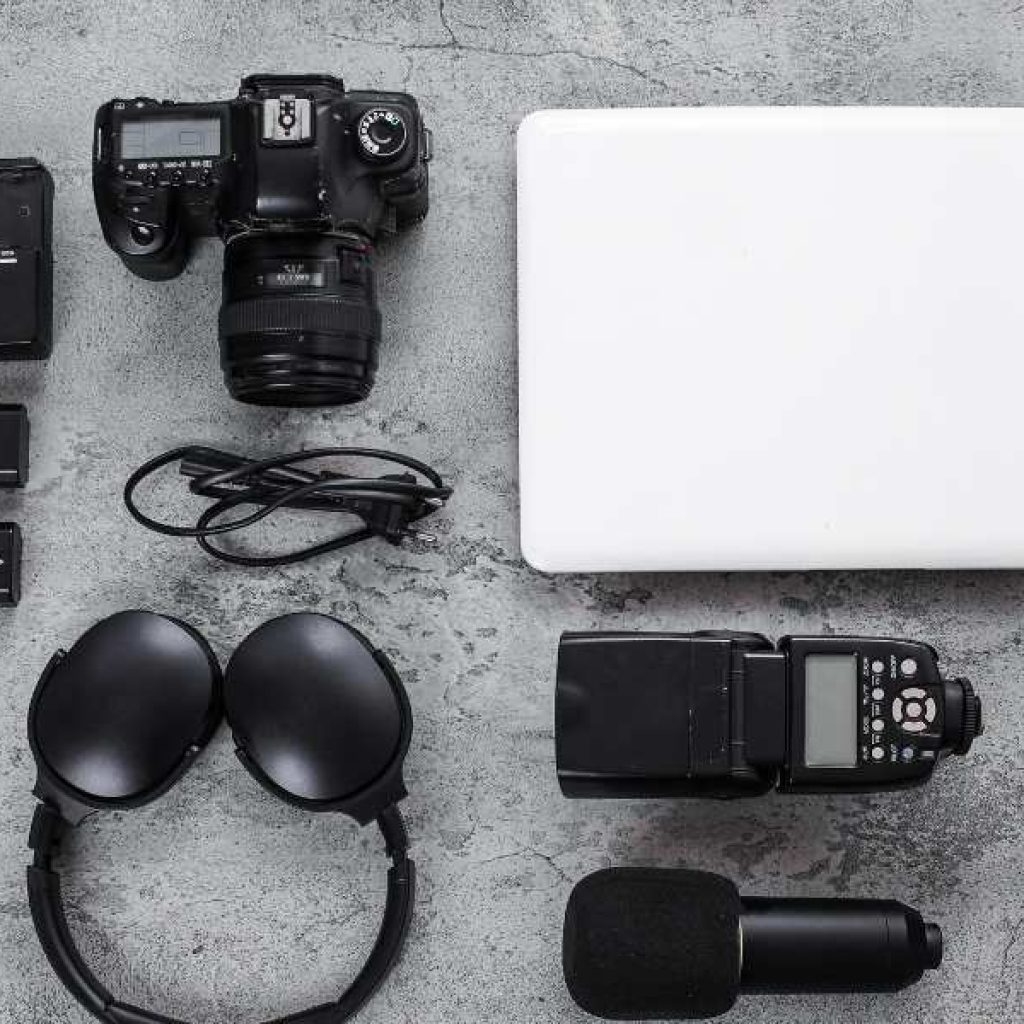
Wide-Brimmed Hat or Cap
Essential features:
- Brim wide enough to shade face, ears, and neck
- Breathable fabric (straw, cotton, lightweight synthetics)
- Chin strap for windy coastal days
- For men: Baseball caps work but provide less coverage
- For women: Sun hats with 3-inch+ brims are ideal
Alternative: Buff or neck gaiter (multipurpose: sun protection, dust protection, impromptu temple head covering)
Rain Protection 🌧️
Lightweight rain jacket or poncho:
- Features needed: Packable, breathable, quick-drying
- When essential: April-November if visiting west coast; November-March if visiting east coast
- Pro tip: Ponchos that cover your daypack are brilliant for tropical downpours
Compact umbrella:
- Purpose: Sudden showers, sun protection
- Type: Small, sturdy, fits in a daypack
- Reality: Many accommodations provide umbrellas, but having your own offers independence
Waterproof bags:
- Dry bags or ziplock bags for electronics, documents, and camera equipment
- Essential during monsoon season: Downpours can soak through regular bags
Insect Repellent 🦟
What works in Sri Lanka:
- DEET concentration: 20-30% effective for most areas
- Alternative: Picaridin 20% (less harsh smell)
- Natural options: Tea tree and eucalyptus oils (less effective but better than nothing)
When you need it most:
- Evening hours (5 PM onwards)
- Rural areas and national parks
- Near water bodies
- Hill country during wetter months
Application areas: Ankles, exposed arms and legs, behind ears. Avoid face near the eyes/mouth.
Where to buy locally: Available at pharmacies and supermarkets if you forget, but bring your preferred brand from home.
After-Sun Care
Aloe vera gel or lotion:
- Soothes inevitable sun exposure
- Readily available in Sri Lanka at pharmacies
- Local tip: Many accommodations have aloe plants—ask staff if you can use fresh aloe!
Moisturizer:
- Combat dehydration from the sun and air conditioning
- Lightweight, non-greasy formulas work best in humidity
Ready to finalize your packing? Contact us on WhatsApp for personalized packing advice based on your specific itinerary!
Health & Hygiene Essentials 💊
Smart health preparation means the difference between minor inconveniences and vacation-ruining situations. Here’s what actually matters from a local perspective.
First Aid Kit Basics
Essential items:
- Adhesive bandages (various sizes)
- Antibacterial ointment
- Blister treatment (Compeed or similar)
- Medical tape and gauze
- Antiseptic wipes
- Tweezers (for splinters)
- Small scissors (pack in checked luggage)
- Digital thermometer
Realistic assessment: Minor cuts, scrapes, and blisters are common from hiking, temple visits, and beach activities. A basic kit handles 95% of situations.
Prescription Medications
Critical rules:
- Bring 25-50% extra: Buffer for delays or extended stays
- Original packaging: With prescription labels clearly visible
- Doctor’s letter: Especially for controlled substances
- Carry-on placement: Never check essential medications
- Generic names noted: Sri Lankan pharmacies use international generic names
Local pharmacy reality: Colombo and major cities have well-stocked pharmacies, but rural areas have limited options. Bring everything you need!
Common Medicines
What to pack for Sri Lanka:
Digestive system:
- Anti-diarrheal (Imodium/loperamide): Different cuisine affects many travelers
- Antacids/digestive aids: Spicy food can cause discomfort
- Oral rehydration salts: For managing any stomach issues
- Probiotics: Help your system adjust to new foods
General health:
- Pain relievers/fever reducers: Ibuprofen, acetaminophen/paracetamol
- Antihistamines: For allergies, insect bite reactions
- Anti-nausea medication: For boat trips, winding mountain roads
- Basic cold/flu medication: Though Sri Lanka’s climate makes colds less common
Topical treatments:
- Antibiotic ointment (Neosporin or equivalent)
- Anti-itch cream (for insect bites)
- Anti-fungal cream (humid climate increases risk)
Insider knowledge: Sri Lankan street food is delicious but can be challenging for unaccustomed digestive systems. Having anti-diarrheal medication isn’t pessimistic—it’s realistic! Most travelers experience at least minor digestive adjustments.
Hand Sanitizer & Wet Wipes
Why essential:
- Not all restaurants have handwashing facilities
- Temple visits followed by street food
- Public transportation cleanliness varies
- General hygiene during long travel days
What to pack:
- 100ml hand sanitizer bottle (TSA-compliant for carry-on)
- Pack of antibacterial wet wipes
- Refillable small bottle (buy large bottles locally for refills)
Feminine Hygiene Products
Recommendations:
- Pack your preferred brands: Local products available, but may differ from what you’re accustomed to
- Quantity: Entire trip’s worth plus extras (heat/humidity can affect cycles)
- Disposal: Many rural areas lack proper facilities; bring disposal bags
- Tampons: Less commonly available than pads in Sri Lanka
- Menstrual cups: Excellent for travel, though backup supplies-wise
Where to buy locally: Major cities and tourist areas have pharmacies stocking international brands, but selection diminishes in rural regions.
Additional Hygiene Items
Toilet paper: Many rural areas and some temples lack TP. A small pack of tissues or portable TP in your daypack is smart.
Personal toiletries:
- Travel-size shampoo, conditioner, body wash
- Toothbrush, toothpaste, floss
- Deodorant (tropical climate = essential!)
- Razor and shaving cream
- Hairbrush/comb
- Note: Most hotels provide basic toiletries, but bring preferred brands
Laundry supplies:
- Small packets of travel laundry detergent
- Clothesline or sink stopper for hand washing
- Reality check: Sri Lanka has excellent, affordable laundry services. Hand-washing is optional, not necessary!
Motion Sickness Medication
Why this matters: Sri Lanka’s roads wind through mountains with hairpin turns and steep drops. Even non-susceptible travelers can feel queasy!
Critical routes:
- Colombo to Kandy
- Kandy to Nuwara Eliya
- Nuwara Eliya to Ella
- Any hill country driving
Options:
- Dramamine/dimenhydrinate
- Ginger candies (natural alternative)
- Acupressure wristbands
Pro tip: Take medication 30-60 minutes BEFORE winding routes, not after you feel sick!
Electronics & Gadgets 📱
Universal Power Adapter (ESSENTIAL!)
Sri Lanka’s electrical system:
- Voltage: 230V, 50Hz
- Plug types: Type D (3 round pins) and Type G (UK-style 3 rectangular pins)
- CRITICAL: You CANNOT use US/EU plugs without an adapter
What to pack:
- Universal adapter with UK-style 3-pin capability
- Best option: Multi-country adapter with USB ports (charges phone without a separate plug)
- Quantity: 2 adapters if traveling with multiple devices
Where to buy if you forget: Electronics shops in Colombo, but save yourself the hassle!
Voltage converters: Most modern electronics (phones, laptops, cameras) handle 110-240V automatically. Check your device specifications—you likely only need the plug adapter, not a voltage converter.
Portable Charger/Power Bank
Why indispensable:
- Long sightseeing days drain phones
- Not all tour vehicles have charging ports
- Camera battery backup
- Power outages occasionally occur (rare but possible)
Specifications:
- Minimum: 10,000mAh (charges phone 2-3 times)
- Ideal: 20,000mAh (charges multiple devices multiple times)
- Requirements: Must be in carry-on luggage (airline regulations)
Realistic usage: Between photos, GPS navigation, WhatsApp coordination with tour guides, and accommodation bookings, your phone works overtime in Sri Lanka!
Phone & Camera Equipment 📸
Smartphone essentials:
- Waterproof case: Beach days, boat trips, unexpected rain
- Screen protector: Sand and activity can scratch screens
- Secure lanyard/strap: Prevents drops during activities
Camera gear:
- DSLR/mirrorless camera with versatile lens
- Extra memory cards (more than you think you need!)
- Extra camera batteries (charging isn’t always convenient)
- Lens cleaning kit (humidity and dust are constant challenges)
- Protective bag: Waterproof camera bag for monsoon season
GoPro or action camera:
- Excellent for snorkeling, surfing, and adventure activities
- Chest mount for hands-free filming during hikes
- Extra batteries (humidity drains them faster)
Drone usage note: Requires special permits in Sri Lanka. Flying near airports, military zones, or sacred sites is illegal. Research regulations thoroughly before bringing one.
Additional Gadgets
Headphones:
- Noise-canceling: Long flights, blocking out bus noise
- Wired backup: Bluetooth dies at inconvenient moments
E-reader:
- Beach reading without worrying about sand damaging books
- Massive library in minimal space
- Many travelers finish more books than expected on beach days!
Portable speaker:
- Beach sunset sessions
- Poolside relaxation
- Cultural sensitivity: Keep volume respectful, especially near religious sites
Backup charging cables:
- Cables break, disappear, or get left in hotel rooms
- Pack extras for phone, camera, and power bank
Travel tip: Store all cables and small electronics in a dedicated pouch—prevents the inevitable tangled mess at the bottom of your bag!
Travel Documents & Money 💼
Forgetting critical documents ruins trips before they start. Here’s your foolproof checklist for what to pack for Sri Lanka.
Essential Documents
Passport:
- Minimum validity: 6 months beyond your intended departure date
- Blank pages: At least 2 for stamps
- Condition check: Damaged passports can be rejected
- Photo page copy: Keep separate from passport
Visa/ETA (Electronic Travel Authorization):
- Apply online: www.eta.gov.lk (official site)
- Cost: Approximately $50-60 USD (varies by nationality)
- Processing: Usually instant, but apply 48+ hours ahead to be safe
- Print confirmation: Although digital is usually sufficient, printouts prevent technology failures
- Validity: 30 days for tourists (extensions available in Colombo)
Travel insurance documents:
- Policy details: Contact numbers, policy numbers
- Coverage specifics: Medical, evacuation, and trip cancellation details
- Digital + printed copies: Technology fails at the worst possible times
Hotel confirmations:
- All accommodations: Reservation numbers, addresses, contact details
- Why necessary? It proves onward accommodation to immigration if asked
Tour booking confirmations:
- All Vindys Tours bookings with itinerary details
- Activity reservations (whale watching, safaris, etc.)
- Transportation bookings
COVID-19 documentation:
- Requirements change; check current regulations before travel
- Vaccination certificates, if required
- Test results, if necessary
Money & Payment Methods
Credit cards:
- Bring 2+ cards: Visa and Mastercard are widely accepted
- Notify your bank: Prevent fraud blocks on foreign transactions
- Know your PINs: Required for most transactions
- Contactless capability: Increasingly common in Sri Lanka
Debit/ATM cards:
- Withdraw cash at ATMs (widely available in cities/tourist areas)
- Check international withdrawal fees with your bank
- Daily withdrawal limits (often $200-300 USD equivalent)
Cash strategy:
US Dollars:
- Amount to bring: $200-500 for initial days
- Denominations: Smaller bills ($20s, $50s) easier to exchange
- Condition matters: Torn, marked, or old bills may be refused
- Exchange locations: Airport (poor rates but convenient), banks in Colombo, authorized dealers
Sri Lankan Rupees (LKR):
- Get the initial amount at the airport ATM upon arrival
- Replenish from ATMs in cities as needed
- Carry 5,000-10,000 LKR daily for small purchases
- Exchange rate awareness: Approximately 300-330 LKR = $1 USD (fluctuates)
Digital payment apps:
- Not widely useful for tourists
- Credit cards or cash remain primary
Security Measures
Money belt or hidden pouch:
- Purpose: Passport, extra cash, backup credit card
- Type: Thin, comfortable for a tropical climate
- Wear it: Under clothing during travel, in crowded areas
Hotel safe usage:
- Store: Passport, extra cash, backup credit cards
- Carry daily: Passport copy, one credit card, moderate cash
- Photo inventory: Document what’s in the safe in case of disputes
Digital copies in the cloud:
- Scan and upload: Passport, visa, insurance, credit cards
- Storage: Google Drive, Dropbox, or email to yourself
- Access: Even if everything physical is lost, you have copies
Emergency contacts list:
- Bank fraud hotlines
- Embassy contact information
- Travel insurance emergency numbers
- Vindys Tours contact: WhatsApp +94 77 848 4250
Travel tip from our experience: Separate your money! Don’t carry all cash and cards together. If something is lost or stolen, you have backups stored separately.
Beach & Water Activity Gear 🏖️
Sri Lanka offers world-class snorkeling, diving, surfing, and beach experiences. Proper gear enhances these experiences immensely!
Snorkeling Gear
Your own mask:
- Why bring your own: Proper fit prevents leaking and discomfort
- Quality matters: Rental masks often have scratched lenses and poor seals
- Compact: Takes minimal luggage space, massive comfort improvement
- Prescription options: If you need them, rental doesn’t help!
Snorkel and fins:
- Optional: These are bulkier, and rental quality is usually adequate
- Fins: Rental is fine unless you have specific foot requirements
- Full set: Only pack if you snorkel extensively and have compact travel gear
Best snorkeling locations:
- Hikkaduwa (west coast)
- Pigeon Island, Trincomalee (east coast)
- Unawatuna (southwest coast)
Underwater Photography
Waterproof camera/GoPro:
- Essential for: Capturing underwater memories
- Alternatives: Waterproof phone cases (more affordable)
- Reality check: Sri Lanka’s marine life creates incredible photo opportunities—you’ll regret not capturing them!
Accessories:
- Floating hand strap (prevents camera loss)
- Extra batteries (water activities drain them quickly)
- Lens cleaner for salt water
Protection & Comfort
Waterproof dry bag:
- Sizes: 10L bag perfect for beach days
- Protection: Phone, wallet, towel, snacks stay dry
- Activities: Boat trips, kayaking, beach hopping
Beach towel considerations:
- Hotel towels: Most provide them, but policies vary
- Pack your own: Lightweight, quick-dry travel towels are ideal
- Alternative: Large sarong serves double duty
Reef-safe sunscreen (repeating because it’s critical!):
- Required: Many marine parks ban non-reef-safe formulas
- Formula: Look for non-nano zinc oxide or titanium dioxide
- Application: Before entering water, not in the water
Rash guard/swim shirt:
- Sun protection: Better than constant sunscreen reapplication
- Coverage: Long sleeves protect shoulders and back during extended water time
- Quick-drying: Wear it on boat rides without discomfort
Optional But Useful
Waterproof pouch for phone:
- Allows underwater photos with your phone
- Keeps phone accessible during boat trips
- Around a $10-20 investment with huge practical value
Surfboard considerations:
- Rental highly recommended: Boards available at all surf spots
- Bringing your own: Only for extended stays at surf destinations
- Board bags: Airlines charge hefty fees and risk damage
Beach games/activities:
- Frisbee, beach ball, playing cards
- Great for downtime between swims
- Minimal space, maximum entertainment value
Planning beach and wildlife adventures? Our customized tour packages include all the insider knowledge on where to go and what you’ll need!
Bags & Luggage Tips 🎒
Choosing the right bags makes navigation, organization, and overall travel experience significantly smoother.
Main Luggage Type
Recommended: Wheeled suitcase (medium-sized):
- Size: 60-70L capacity for 1-2 weeks
- Features: Four spinner wheels, telescoping handle, sturdy build
- Why: Hotels, paved areas, ease of transport
- Reality: Most Sri Lankan travel involves vehicle transport—wheels make life easier
Alternative: Large backpack (50-60L):
- Who it’s for: Adventure travelers, those moving to accommodations
- Advantages: Easier for uneven terrain, stairs without elevators
- Disadvantages: Less organization, harder to access items
What to avoid:
- Massive checked bags (overpacking trap)
- Rigid suitcases without wheels
- Multiple small bags (consolidation is key)
Daypack for Excursions
This is your DAILY companion—choose wisely!
Ideal specifications:
- Size: 20-30L capacity
- Features: Multiple compartments, water bottle pockets, comfortable padded straps
- Water-resistant: Protects electronics during sudden showers
- Security: Hidden pockets or internal zippered compartments
- Fit: Properly adjusted shoulder and chest straps for hiking
Daily essentials your daypack will carry:
- Water bottle
- Sunscreen and hat
- Camera
- Light jacket or rain protection
- Snacks
- Phone and power bank
- Wallet and documents
- Temple-appropriate clothing layers
Pro tip: Choose a daypack that doesn’t scream “expensive tourist target.” Neutral colors and non-designer brands draw less attention.
Packing Cubes
Why they’re transformative:
- Organization: Underwear/socks in one cube, shirts in another, etc.
- Compression: Fit more in less space
- Easy access: Find items without unpacking everything
- Dirty separation: Designate one cube for worn clothes
Recommended setup:
- 2-3 medium cubes for main luggage
- 1 small cube for accessories/electronics
- 1 laundry bag/cube for dirty clothes
Cost: $20-40 for a set that lasts years—absolute game-changer!
Organization Essentials
Ziplock bags:
- Uses: Electronics protection from humidity, leak-proof toiletry storage, organizing small items, and keeping documents dry
- Sizes: Gallon and quart sizes are most useful
- Quantity: Pack 5-10 bags, they’re incredibly versatile
Reusable shopping bag:
- Purpose: Beach trips, impromptu souvenir purchases, extra storage
- Type: Foldable into a tiny pouch when not needed
- Environmental bonus: Reduces plastic bag usage
Luggage locks:
- TSA-approved: If traveling through US airports
- Cable lock: Secures bags to fixed objects in accommodations
- Realistic assessment: Sri Lanka is generally safe, but peace of mind has value
Packing Strategy
Weight distribution:
- Heavy items: Bottom of suitcase when upright, near wheels
- Frequently accessed: Top layers or external pockets
- Fragile items: Center, surrounded by soft clothing
Compression techniques:
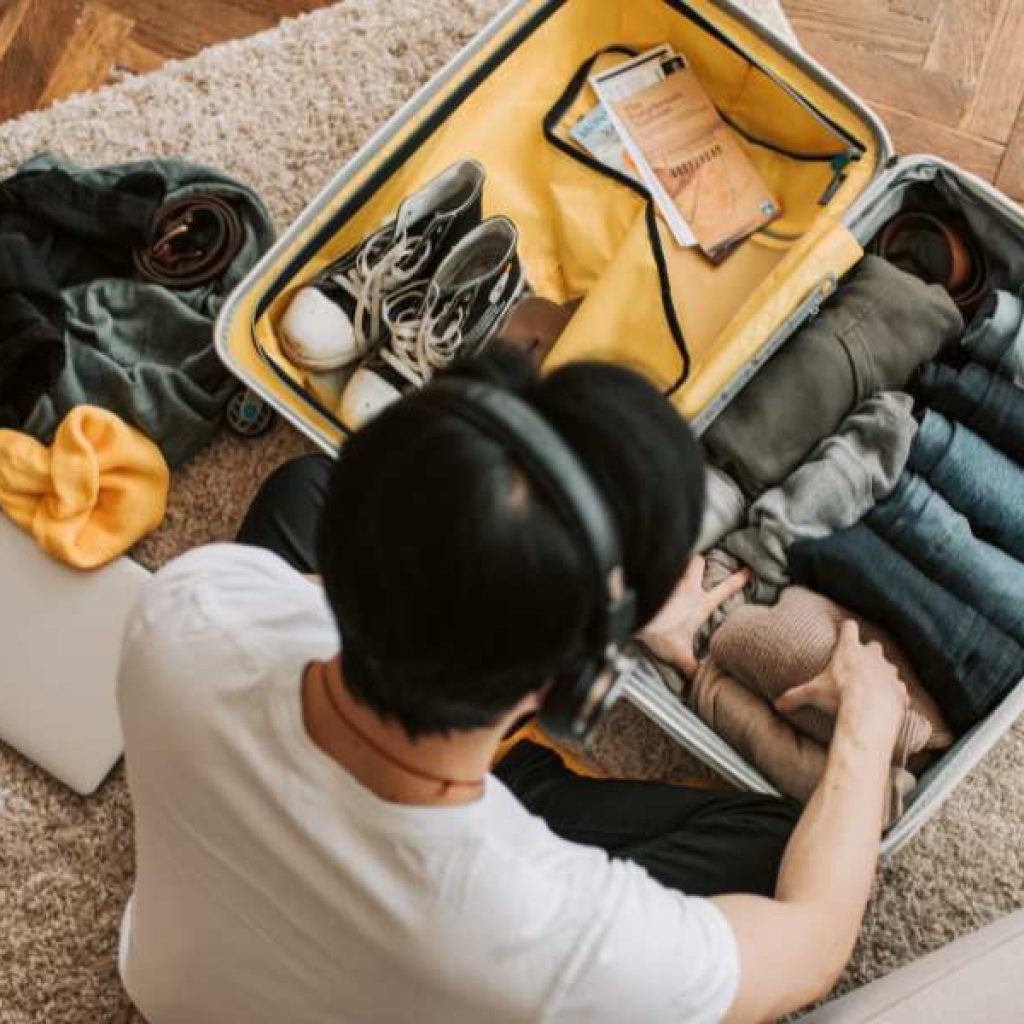
- Rolling clothes: Saves space, minimizes wrinkles
- Bundle wrapping: Fold clothes around the central core for wrinkle-free packing
- Utilize every space: Shoes stuffed with socks, small items in gaps
Carry-on essentials:
- Pack these in carry-on, never checked: Medications, valuables, important documents, one change of clothes, essentials for 24 hours
- Why: Delayed luggage won’t ruin your first day
Nice-to-Have Items (Optional But Useful) ✨
These items aren’t essential but significantly enhance comfort and convenience during your Sri Lankan adventure!
Travel Comfort
Travel pillow:
- For: Long flights, bus journeys through hill country
- Type: Inflatable (space-saving) or memory foam (comfort)
- Reality: Flights to Sri Lanka from most origins exceed 8+ hours—neck support matters!
Eye mask & earplugs:
- Purpose: Sleep during flights, noisy accommodations, and jet lag adjustment
- Lightweight: Takes almost no space, massive sleep quality improvement
- Bonus: Useful for afternoon naps after early morning safaris
Hydration
Reusable water bottle (filtered):
- With filter: Reduces plastic bottle consumption, fills from any source
- Insulated: Keeps water cool in tropical heat
- Alternatives: Standard reusable bottle, buy bottled water locally
- Environmental impact: Sri Lanka has significant plastic pollution—every reusable bottle helps!
Hydration powder/electrolytes:
- Combat dehydration from heat and humidity
- Prevents headaches and fatigue during active days
- Individual packets convenient for travel
Multipurpose Items
Sarong (strong recommendation!): This single item provides incredible versatility:
- Beach towel: Lightweight alternative
- Temple covering: Instant modesty layer over shorts/tank tops
- Picnic blanket: Beach or park sitting
- Sun shade: Draped over shoulders
- Privacy curtain: Windows without curtains, changing rooms
- Light blanket: Cool evening bus rides
- Scarf/shawl: Fashion accessory
Where to buy: Available EVERYWHERE in Sri Lanka for $5-15. Consider buying one locally as a souvenir!
Laundry Solutions
Travel clothesline/elastic cord with clips:
- Use: Hanging wet clothes, swimwear, hand-washed items
- Hotel reality: Not all rooms have adequate drying space
- Compact: Rolls into a tiny package
Travel laundry detergent:
- Small packets or soap sheets
- Reality check: Sri Lankan laundry services are excellent and affordable ($3-5 per kilogram)
- Only pack if: You prefer hand-washing or staying in very budget accommodations
Entertainment & Convenience
Notebook & pen:
- Uses: Travel journaling, addresses, notes from guides
- Personal experience: Travelers who journal report richer memories
- Alternative: Phone notes work, but handwriting has a different value
Playing cards:
- Beach downtime, flight entertainment, train journeys
- Social connector with fellow travelers
- Compact, inexpensive, surprising value
Book/e-reader:
- Beach reading hours accumulate faster than expected
- Long bus journeys through scenic routes
- Relaxing hotel evenings
Organization Helpers
Zippered pouches (various sizes):
- Small: Chargers, adapters, earbuds
- Medium: First aid supplies, toiletries
- Large: Documents, maps
- Why useful: Prevents small items from disappearing in luggage depths
Carabiners/clips:
- Attach items to the backpack exterior
- Quick access to a water bottle, a hat
- Secure valuable items
Headlamp or small flashlight:
- Rare but valuable: Power outages, early morning hikes, rural accommodations
- Headlamp advantage: Hands-free operation
Travel journal or photo album:
- Document experiences beyond phone photos
- Collect tickets, maps, and mementos
- Creates tangible memories
What NOT to Pack 🚫
This section might be the most valuable—knowing what to leave home saves space, weight, and hassle!
Items Available Cheaply in Sri Lanka
Don’t waste luggage space on:
Basic toiletries:
- Shampoo, soap, body wash (hotels provide or buy locally for pennies)
- Toilet paper (widely available)
- Basic cosmetics (pharmacies stock international brands)
- Exception: Specialty items or specific brands you require
Snacks and drinks:
- Water (impossible to pack, readily available everywhere)
- Snacks (local stores have wide selections)
- Coffee/tea (Sri Lanka IS famous for tea—try it!)
Beach items:
- Beach mat/blanket (hotels provide towels)
- Basic beach toys
- Cheap sunglasses (if you forget yours, buy locally)
Reading materials:
- Heavy guidebooks (use digital versions or apps)
- Multiple paperback books (e-reader or buy books locally)
Heavy/Bulky Items to Avoid
Skip these entirely:
Hair dryer:
- Why skip: Most hotels provide them
- Reality: Humid climate makes blow-drying less effective anyway
- If essential: Confirm your accommodation has one before packing
Full-size towels:
- Weight: Massive waste of luggage space/weight
- Alternative: Quick-dry travel towel, IF your hotels don’t provide them
- Reality check: Even budget hotels provide towels
Excessive shoes:
- The trap: “What if I need these specific shoes?”
- Reality: You’ll wear the same 2-3 pairs 95% of the time
- Maximum: 4 pairs total (walking shoes, sandals, water shoes, flip-flops)
Bulky electronics:
- Laptop (unless essential for work)
- Tablet AND laptop (choose one)
- Multiple cameras (phone + one good camera is sufficient)
Heavy jeans:
- Why avoid: Takes forever to dry, uncomfortable in humidity
- Alternative: Lightweight cotton or linen pants
Excessive Quantities
Don’t overpack these:
Too many clothes:
- Common mistake: Packing for every possible scenario
- Reality: Laundry services throughout Sri Lanka are excellent, fast (24 hours), and cheap ($3-5/kg)
- Smart packing: 7-8 days of clothes maximum, even for 2-week trips
Massive toiletry bottles:
- TSA issues: If in carry-on
- Weight: Liquid weight adds up fast
- Solution: Travel-size everything or buy locally
Entire makeup collection:
- Humidity makes heavy makeup impractical
- Waterproof products are essential, everything else is optional
- Tip: Embrace the natural beach vacation glow!
Items That Could Cause Issues
Leave this home:
Expensive jewelry:
- Why avoid: Theft risk, loss risk, unnecessary stress
- Culture: Flashy displays can make you a target
- Alternative: Simple, inexpensive accessories
Revealing clothing:
- Mini skirts, very short shorts, see-through tops
- Not just temples: General cultural appropriateness
- Reality: You CAN wear these at beaches/resorts, but packing more modest options gives flexibility
Camouflage patterns:
- Illegal: Military-style camouflage is restricted in Sri Lanka
- Why: Reserved for military use only
- Alternative: Other neutral colors work fine for safaris
Drones without permits:
- Legal issues: Requires advance permission from authorities
- Risk: Confiscation, fines
- Reality: Not worth the hassle for most tourists
Traveler Wisdom
The most common regret we hear: “I packed way too much!”
Second most common: “I should have brought ___” (usually specific medications or preferred toiletries)
The solution: Pack essentials plus a small amount of comfort items. Everything else is available in Sri Lanka, or not as necessary as you think!
Packing Tips by Trip Type 🎯
Not all Sri Lankan vacations are identical! Tailor your Sri Lanka packing list to your specific trip style.
A. Beach Holiday Focused 🏖️
Trip profile: 7-14 days primarily at coastal resorts with minimal inland travel.
Prioritize:
- Swimwear: 3+ suits/trunks (constantly wet environment)
- Beach cover-ups: Multiple options
- Sun protection maximum: SPF 50+, reef-safe, multiple bottles
- Light, casual clothing: Minimal formal wear needed
- Flip-flops and water shoes: Primary footwear
- Snorkel gear: If you snorkel frequently
- Books/e-reader: Serious beach reading time!
Minimize:
- Walking shoes (one pair sufficient)
- Formal clothing (beach restaurants are casual)
- Layers for cool weather (coasts stay warm)
Reality check: Beach-focused trips are the easiest for light packing. You’ll live in swimwear and cover-ups!
B. Cultural & Heritage Tour 🛕
Trip profile: Focus on ancient cities, temples, and cultural experiences with limited beach time.
Prioritize:
- Modest clothing: Multiple long pants/skirts, covered shoulder options
- Comfortable walking shoes: Heavy temple exploration
- Temple-friendly sandals: Easy on/off essential
- Daypack: Carrying layers, water during site visits
- Cultural sensitivity items: Scarves, lightweight long-sleeved
- Camera equipment: Incredible photography opportunities
Minimize:
- Beach gear (though a quick beach stop is usually possible)
- Excessive evening wear
- Water activity equipment
Insider tip: Most cultural tours we design combine culture with 2-3 beach days—pack accordingly!
C. Adventure & Wildlife 🦁
Trip profile: Safaris, hiking, and active experiences with diverse environments.
Prioritize:
- Neutral safari colors: Khaki, olive, tan clothing
- Quality hiking boots: If tackling Adam’s Peak or serious trails
- Binoculars: Wildlife viewing enhancement
- Camera with good zoom: Telephoto lens for wildlife
- Quick-dry everything: Active days = sweaty clothes
- Layers: Hill country visits are likely included
- Headlamp: Early morning safaris begin before dawn
- Insect repellent: Safari and jungle environments
Minimize:
- Fancy evening wear
- Excessive beach attire
- Items requiring special care
Pro tip: Safari-focused trips still usually include beaches—pack 1-2 swimsuits at minimum!
D. Family Travel with Kids 👨👩👧👦
Trip profile: Traveling with children requires additional planning and items.
Kid-specific essentials:
- Entertainment: Tablets, coloring books, small toys for long drives
- Snacks: Familiar comfort foods (local cuisine may not appeal to all kids)
- Medications: Children’s pain reliever, allergy medication
- Comfort items: Favorite stuffed animal, blanket
- Sun protection: Child-safe, high-SPF, reef-safe sunscreen
- Swim aids: Flotation devices if needed (not all hotels have them)
- Stroller considerations: Lightweight, umbrella-style for specific needs only
Family-friendly packing tips:
- Individual packing cubes per family member
- Lots of wet wipes (universal problem solver)
- Extra changes of clothes
- Plastic bags for dirty/wet items
- Basic first aid expanded for kid injuries
Reality from family travelers: Sri Lanka is incredibly family-friendly! Locals adore children, accommodations welcome families, and kids love wildlife safaris!
E. Luxury/Honeymoon Trip 💑
Trip profile: High-end resorts, romantic experiences, special dining, photography-focused.
Prioritize:
- Smart-casual evening wear: 2-3 nice outfits for upscale dining
- Resort wear: Stylish but comfortable beach/pool attire
- Quality camera equipment: Capturing romantic moments
- Nice accessories: Jewelry (not excessive), watches, stylish sunglasses
- Grooming items: Self-care products, nice toiletries
- Special occasion outfits: Sunset dinner, special excursions
Don’t forget:
- Underwater camera for a couple of photos while snorkeling
- Tripod for selfies in scenic locations
- Nice shoes for evening events
- Special surprise items for the partner
Honeymoon tip: Many luxury resorts offer special amenities—contact us to arrange romantic extras like beach dinners, spa packages, or private tours!
Season-Specific Packing Notes 🌦️
Sri Lanka’s weather varies significantly by season and region. Adjust your packing accordingly!
December-March (Peak Dry Season – West/South Coast) ☀️
Weather characteristics:
- Minimal rain on the west and south coasts
- Temperatures 27-30°C (80-86°F)
- Lower humidity than in other months
- Perfect beach weather
Packing emphasis:
- Maximum sun protection: You’ll be outdoors constantly
- Beach gear priority: Swimming, snorkeling, water sports
- Light rain jacket: Optional—unlikely to need it
- Minimal layers: Hill country still requires some warmth
- Formal evening wear: Peak season means more upscale dining options open
What to skip:
- Heavy rain gear
- Excessive warm clothing
- Worry about the weather!
Booking note: Peak season means premium prices but also optimal conditions—book accommodations and tours early!
April-June (Hot Season) 🌡️
Weather characteristics:
- Hottest months (30-34°C / 86-93°F)
- High humidity
- Increasing rain towards monsoon (especially May onward)
- Inter-monsoon unpredictability
Packing emphasis:
- Lightest possible fabrics: Linen, cotton, moisture-wicking
- Maximum sun protection: UV intensifies
- Hydration: Reusable bottle, electrolyte packets
- Light rain jacket: Brief afternoon showers are common
- Cooling accessories: Portable fan, cooling towels
- Hill country refuge: Extra layers for escaping to cooler elevations
Heat management strategies:
- Schedule outdoor activities for early morning/late afternoon
- Seek air-conditioned spaces during peak heat (11 AM – 3 PM)
- Dress in the lightest, loosest clothing possible
Silver lining: Fewer tourists, better deals, and you can handle the heat with proper preparation!
Monsoon Seasons (Strategic Packing) 🌧️
Southwest Monsoon (May-September – affects west/south coast):
If visiting west coast during this period:
- Quality rain jacket: Lightweight, breathable, packable
- Waterproof bags: Protect electronics, documents, clothes
- Quick-dry everything: Humidity + rain = slow drying
- Extra shoes: Having dry backup pairs is valuable
- Flexible mindset: Weather changes hourly
Alternative strategy: Visit the East Coast during the southwest monsoon—it’s perfect there!
Northeast Monsoon (October-January – affects the east coast):
If visiting east coast during this period:
- Same rain-focused packing as above
- Better strategy: Visit the west/south coast instead!
Monsoon travel advantages:
- Dramatic scenery (waterfalls, lush greenery)
- Fewer tourists
- Significant cost savings
- “Rain” doesn’t mean all-day downpours—often short bursts
Pro tip: Monsoon doesn’t mean canceling your trip—it means strategic itinerary planning! We specialize in monsoon-season routing that keeps you in sunshine.
Hill Country (Year-Round Consideration) 🏔️
Regardless of season:
Nuwara Eliya, Ella, and Horton Plains get COLD by tropical standards:
- Evening temperatures: 10-15°C (50-59°F)
- Morning fog: Damp, chilly feeling
- Indoor heating: Rare—accommodations can be cold
Essential packing:
- Light fleece or warm layer
- Long pants (not just for temples!)
- Closed-toe shoes
- Light jacket
- Warm socks for sleeping
Common mistake: Travelers pack entirely for beach weather and freeze in the hills!
Your Complete Packing Checklist ✅
Use this comprehensive, printable-style checklist to ensure you have everything for your Sri Lankan adventure!
Clothing
Tops:
- 5-8 t-shirts/casual tops (breathable fabrics)
- 2-3 long-sleeve shirts (sun/temple coverage)
- 1-2 nice tops for dining
- 1 light sweater/cardigan (hill country)
- 1 light jacket (cool evenings, rain)
Bottoms:
- 3-4 shorts (appropriate length for temples if needed)
- 2-3 long pants/skirts (temple-appropriate)
- 1-2 beach cover-ups
- Sleepwear
- 7+ underwear sets
- 5-7 pairs of socks
Swimwear & Beach:
- 2-3 swimsuits/swim trunks
- Rash guard/swim shirt
- Beach cover-up/sarong
Footwear:
- Comfortable walking shoes (broken in!)
- Supportive sandals (temple-friendly)
- Flip-flops (hotel/casual)
- Water shoes (reef walking)
- Hiking boots (if serious hiking planned)
Accessories:
- Wide-brimmed sun hat
- Sunglasses (UV protection)
- Light scarf/sarong (multipurpose)
- Belt (if needed)
Toiletries & Health
Personal Care:
- Toothbrush & toothpaste
- Shampoo & conditioner (travel size)
- Body wash/soap
- Deodorant
- Razor & shaving cream
- Hairbrush/comb
- Hair ties (if applicable)
- Feminine hygiene products
- Nail clippers
- Tweezers
Sun & Skin Protection:
- SPF 50+ sunscreen (reef-safe)
- After-sun lotion/aloe vera
- Lip balm with SPF
- Moisturizer
- Insect repellent (DEET 20-30%)
Medications & Health:
- Prescription medications (extra supply)
- Pain relievers (ibuprofen, acetaminophen)
- Anti-diarrheal medication
- Antacids/digestive aids
- Antihistamines
- Anti-nausea medication
- First aid kit (bandages, antiseptic, etc.)
- Hand sanitizer
- Wet wipes
Electronics
- Smartphone & charger
- Universal power adapter (UK-style 3-pin)
- Portable power bank
- Camera & extra batteries
- Memory cards
- Headphones
- Laptop/tablet (if needed)
- E-reader
- Waterproof phone case
- All charging cables (+ extras)
Documents & Money
- Passport (6+ months validity)
- Visa/ETA confirmation
- Travel insurance documents
- Hotel confirmations
- Tour bookings
- Flight tickets/boarding passes
- Driver’s license/ID
- Credit cards (2+)
- Debit/ATM card
- Cash (US dollars & initial rupees)
- Money belt/hidden pouch
- Photocopies of all important documents
Beach & Water Gear
- Snorkel mask (personal)
- Underwater camera/GoPro
- Waterproof dry bag
- Beach/pool towel (if needed)
- Waterproof pouch for phone
Bags & Organization
- Main luggage (suitcase or backpack)
- Daypack/backpack
- Packing cubes
- Ziplock bags (various sizes)
- Reusable shopping bag
- Luggage locks
Optional But Useful
- Travel pillow
- Eye mask & earplugs
- Reusable water bottle
- Sarong (highly recommended!)
- Clothesline/laundry supplies
- Notebook & pen
- Playing cards
- Book/reading material
- Binoculars (wildlife viewing)
- Portable umbrella
- Travel-size laundry detergent
- Zippered pouches
- Headlamp/flashlight
Don’t Forget Before Leaving!
- Notify the bank of travel dates
- Check passport expiration
- Apply for an ETA visa
- Purchase travel insurance
- Arrange airport transportation
- Set up an international phone plan
- Download offline maps
- Share itinerary with family/friends
- Empty refrigerator/take out trash
- Stop mail delivery
- Set the thermostat appropriately
- Arrange pet care
- Water plants or arrange care
Pro tip: Print this checklist and physically check items off as you pack. Digital lists are easy to forget!
Expert Packing Tips from Years of Guiding Travelers 🎒
These battle-tested strategies come from real experience helping hundreds of travelers pack successfully (and learning from their mistakes!).
Roll vs. Fold Debate
The verdict: ROLL for most items!
Rolling advantages:
- Saves 20-30% space
- Reduces wrinkles (especially for t-shirts, casual wear)
- Easy to see everything without unpacking
- Creates organized “logs” of similar items
When to fold:
- Dress shirts/formal wear (fold along existing creases)
- Structured items (blazers, tailored pieces)
- Very delicate fabrics
Bundle wrapping technique (advanced):
- Wrap items around the central core (shoes, toiletry bag)
- Minimizes creases in everything
- Maximizes space efficiency
- Takes practice, but worth learning!
Wear Bulkiest Items on Plane
Strategy: Wear the heaviest/bulkiest items during flight to save luggage space.
Wear these when packing:
- Hiking boots (bulkiest footwear)
- Thickest jacket
- Heaviest pants/jeans
- Layers instead of single items
Bonus: Planes can be cold—layers provide comfort!
Pack a Change of Clothes in Carry-On
Critical rule: ALWAYS pack 24-48 hours’ worth of essentials in carry-on.
Why it matters:
- Delayed luggage (happens more than you’d think)
- Lost luggage (rare but devastating)
- Peace of mind knowing you have basics
Carry-on essentials:
- One complete outfit
- Underwear & socks (2 days)
- Essential medications
- Toiletries (TSA-compliant sizes)
- Swimsuit (if beach arrival planned)
- Phone charger & adapter
- Important documents
Real story: We’ve had clients’ luggage delayed for 3 days. Those who followed this advice barely noticed; others wore the same clothes for days!
Leave Room for Souvenirs
The universal truth: You WILL buy things in Sri Lanka!
Common purchases:
- Tea (Ceylon tea is world-famous)
- Textiles (sarongs, batiks, linens)
- Spices (cinnamon, cardamom, curry powders)
- Handicrafts (masks, wood carvings)
- Gemstones (if you know what you’re doing)
- Ayurvedic products
Space-saving strategy:
- Pack 70-80% full on departure
- Bring a collapsible extra bag for return
- Wear newly purchased clothes on the return flight
- Ship heavy items (post office option, though reliability varies)
Weight limits: International flights typically allow 23kg (50 lbs) checked bag—factor in souvenir weight!
Dirty Clothes Organization
The problem: Clean and dirty clothes mingling creates luggage chaos.
Solutions:
Dedicated dirty bag:
- Plastic bag, laundry bag, or extra packing cube
- Keeps dirty items separate
- Contains odors
- Makes laundry easy when you return
Reusable strategy:
- Compression bags for dirty clothes
- Saves return luggage space
- Keeps everything organized
Laundry services reality:
- Available throughout Sri Lanka
- Affordable ($3-5 per kilogram)
- 24-hour turnaround typical
- Use them! Don’t waste time hand-washing in sinks
Luggage Organization System
Layer strategy:
- Bottom layer: Shoes (in bags), heavy items
- Middle layer: Rolled clothes, organized by type
- Top layer: Frequently needed items
- External pockets: Daily essentials
Compression bags:
- Great for bulky items (jackets, sweaters)
- NOT suitable for delicate fabrics
- Vacuum-seal versions work but aren’t necessary
Color coordination:
- Pack versatile colors that mix/match
- Reduces outfit combinations needed
- Everything works with everything else
Smart Packing Hacks
Shoes:
- Stuff with socks/small items (uses dead space)
- Put in bags/shower caps (keeps clothes clean)
- Point toes to heels for a better fit
Toiletries:
- Test bottles before packing (prevent leaks)
- Plastic wrap under caps (extra leak protection)
- Ziplock everything liquid
- Put the toiletry bag on top for security inspection access
Cables:
- Toilet paper tubes prevent tangling
- Binder clips label each cable
- One dedicated cable pouch
Wrinkle release:
- Hang clothes in a steamy bathroom
- Most hotels offer ironing (often free)
- Roll, don’t fold when possible
Last-minute tips:
- Take a photo of a packed suitcase (insurance claims)
- Luggage tag with contact info (inside AND outside)
- Bright luggage identifier (ribbon, sticker) for easy spotting
Need help planning your perfect Sri Lankan itinerary to match your packing list? Email us at vindys2022@gmail.com for customized trip planning!
Conclusion: Pack Smart, Travel Light, Experience More 🌟
After reading this comprehensive guide, you might feel overwhelmed by the sheer amount of information. Take a deep breath—packing for Sri Lanka doesn’t have to be stressful!
The golden principles of smart packing:
- Versatility wins: Choose items that serve multiple purposes across different scenarios
- Light beats heavy: You’ll thank yourself every time you move accommodations
- Quality over quantity: Better to have fewer excellent items than many mediocre ones
- Adapt, don’t overpack: Things you forget are usually available in Sri Lanka
- Cultural respect matters: Modest clothing opens doors (literally, at temples!)
Your ultimate packing strategy: Focus on the essentials—lightweight, breathable clothing for the tropics, temple-appropriate modest pieces, strong sun protection, reliable footwear, and crucial documents/medications. Everything else is either optional or available locally.
Climate considerations: Remember Sri Lanka’s diversity—you’ll need sun protection for beaches, layers for hill country, rain gear for monsoon regions, and quick-dry everything for the humidity. Understanding these patterns transforms you from a confused tourist to an informed traveler.
The most important item: A flexible, positive mindset! Even with perfect packing, unexpected situations arise. Rain when forecasts promised sun. Cooler evenings than expected. Wardrobe malfunctions. The travelers who embrace these moments have the best experiences.
At Vindys Tours, we’ve guided countless travelers through Sri Lanka’s wonders. We’ve seen every packing mistake (and triumph!) imaginable. Our goal isn’t just getting you here with the right luggage—it’s ensuring your journey is comfortable, culturally respectful, and absolutely unforgettable.
Ready to start planning your Sri Lankan adventure?
🌴 Browse our expertly crafted tour packages designed for every travel style—beach relaxation, cultural immersion, wildlife adventures, or comprehensive grand tours
💬 Quick packing questions? WhatsApp us at +94 77 848 4250 for personalized advice based on your specific itinerary and travel dates
📧 Need detailed trip planning? Email vindys2022@gmail.com for customized itineraries that maximize your experience
📞 Prefer a comprehensive consultation? Visit our contact page to discuss your dream Sri Lankan vacation
Don’t let packing paralysis delay your adventure! Use this guide, pack smart, and get ready to experience Sri Lanka’s incredible beaches, ancient temples, misty mountains, and warm hospitality. The memories you’ll create far outweigh any luggage concerns.
Your tropical paradise awaits—let’s make it perfect together! ✈️🌴☀️
This comprehensive packing guide is updated for 2025 travel. For the most current travel regulations, visa requirements, and seasonal conditions, contact Vindys Tours—your trusted local experts in Sri Lankan travel.
0 Comment