
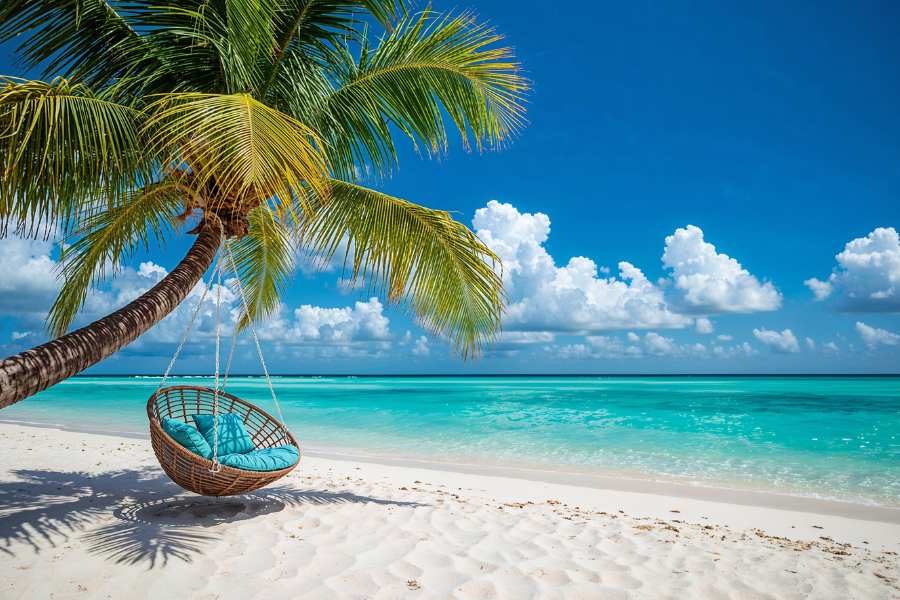

Picture this: You’ve booked your dream vacation to Sri Lanka, only to arrive during monsoon season with your beach plans literally washed away. We’ve seen it happen countless times, and it’s heartbreaking! Here’s the truth—Sri Lanka is a year-round destination, but timing your visit makes the difference between a good trip and an absolutely unforgettable one.
Sri Lanka’s unique geography creates a fascinating climate puzzle. While one coast basks in sunshine, the other might be experiencing tropical showers. Understanding these dual monsoon patterns is your secret weapon to planning the perfect getaway. Whether you’re chasing endless summer beaches, witnessing majestic elephants, or exploring misty tea plantations, there’s an ideal time for every experience.
In this comprehensive guide, we’ll break down every single month of 2025, revealing exactly when and where to go for your perfect Sri Lankan adventure. No more guessing games—just expert insights from years of guiding travelers through paradise! ☀️
Understanding Sri Lanka’s Climate 🌧️
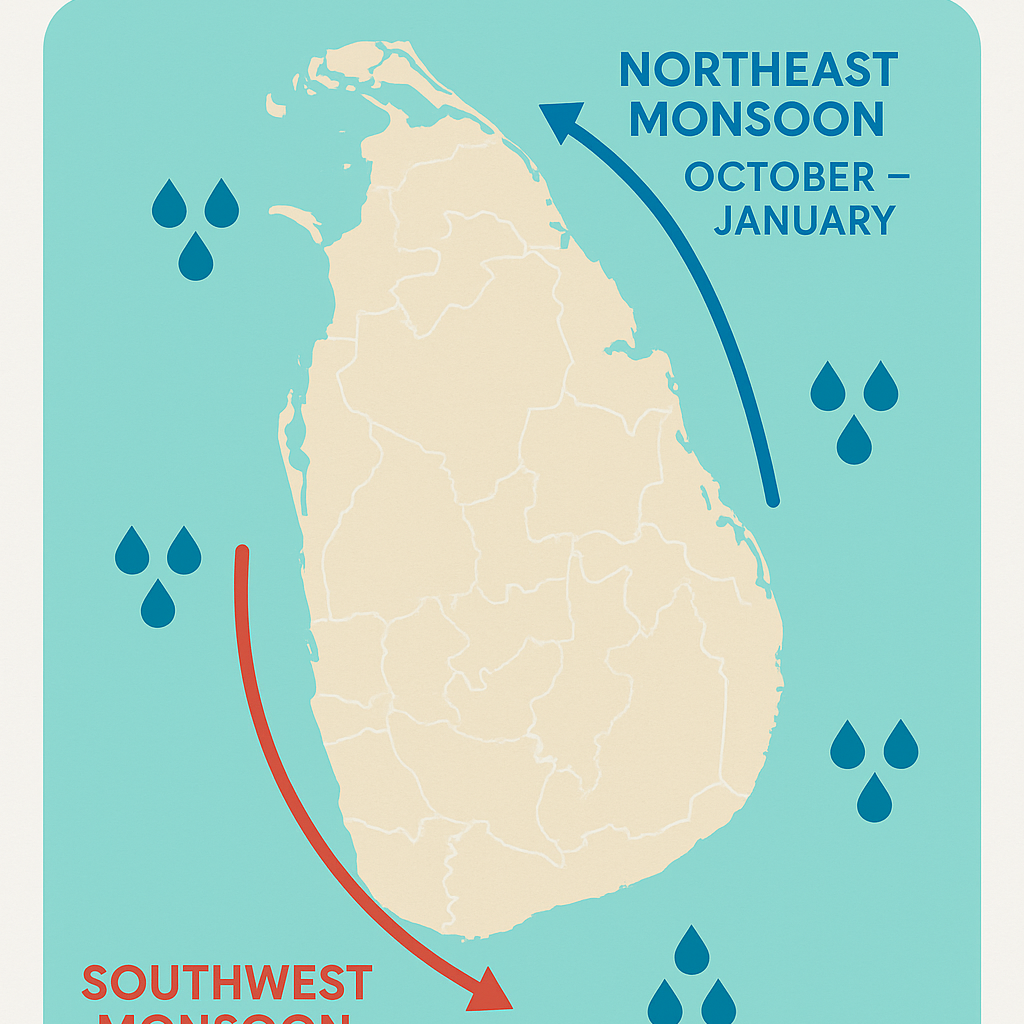
Before we dive into the month-by-month breakdown, let’s understand what makes Sri Lanka’s weather so unique. This teardrop-shaped island experiences two distinct monsoon seasons that affect different regions at different times—which actually works in your favor!
The Southwest Monsoon (Yala) runs from May to September, bringing rain to the western and southern coasts, including popular spots like Colombo, Galle, and Mirissa. During this period, the east coast—think Trincomalee, Arugam Bay, and Batticaloa—enjoys glorious sunshine and calm seas.
The Northeast Monsoon (Maha) takes over from October to January, reversing the pattern. Now the east coast gets wet while the west and south coast beaches become absolutely perfect. The cultural triangle (Sigiriya, Anuradhapura, Polonnaruwa) stays relatively dry year-round.
Inter-Monsoon Periods (March-April and October) can be unpredictable, with short, intense afternoon showers followed by clear skies. These transitional months often offer the best deals and fewer crowds.
The hill country (Nuwara Eliya, Ella, Kandy) maintains its cool, misty charm throughout the year, with temperatures dropping to 10-15°C at night. This region is generally wettest from October to November and April to May.
Understanding these patterns means you can always find sunshine somewhere in Sri Lanka. Smart planning lets you chase the sun from coast to coast, creating an itinerary that maximizes your experience while dodging the rain!
Month-by-Month Detailed Guide 📅
January: Peak Season Paradise ✨
Weather Conditions: January is arguably the best time to visit Sri Lanka for most travelers. The west and south coasts enjoy average temperatures of 27-30°C with minimal rainfall (50-75mm), while the hill country stays pleasantly cool at 16-20°C.
Rainfall Expectations: Minimal to none on the west/south coasts. The East Coast may still see some tail-end monsoon showers early in the month, but these typically clear by mid-January.
Best Regions to Visit:
- West & South Coasts: Colombo, Negombo, Bentota, Hikkaduwa, Galle, Unawatuna, Mirissa, Tangalle
- Hill Country: Kandy, Nuwara Eliya, Ella, Haputale
- Cultural Triangle: Sigiriya, Dambulla, Polonnaruwa, Anuradhapura
Top Activities & Festivals:
- Duruthu Perahera (full moon in January): Spectacular Buddhist festival at Kelaniya Raja Maha Vihara
- Whale watching in Mirissa (peak season)
- Surfing in Hikkaduwa and Weligama
- Tea plantation tours in Nuwara Eliya
- Wildlife safaris in Yala and Udawalawe
Crowd Levels & Pricing: HIGH SEASON—expect maximum crowds and premium prices. Hotels and tour packages should be booked 2-3 months in advance.
What to Pack: Light cotton clothes, swimwear, sunscreen (SPF 50+), sunglasses, a light sweater for hill country evenings, and reef-safe sunscreen for snorkeling.
Pro tip: January combines perfect weather with cultural festivities, making it ideal for comprehensive Sri Lanka tours covering beaches, culture, and wildlife.
February: Sunshine & Celebrations 🎉
Weather Conditions: February continues January’s excellent weather with slightly warmer temperatures (28-31°C on coasts). This is one of the driest months across the entire island, making it perfect for exploring anywhere.
Rainfall Expectations: Absolute minimum rainfall nationwide. Average precipitation drops to 30-50mm on the west coast. Even the hill country sees less rain.
Best Regions to Visit:
- All coastal areas are excellent
- Cultural sites in perfect condition
- National parks with excellent wildlife viewing
- Hill country with clear mountain vistas
Top Activities & Festivals:
- Independence Day (February 4th): National celebrations across the country
- Navam Perahera: Grand Buddhist procession in Colombo
- Hot air ballooning in Sigiriya/Dambulla
- Scuba diving and snorkeling (best visibility)
- Dolphin watching in Kalpitiya
- Kite surfing season peaks in Kalpitiya
Crowd Levels & Pricing: HIGH SEASON—still peak tourist period with prices matching January. Book accommodations early.
What to Pack: Similar to January, but you can skip the rain gear entirely. Bring hiking shoes for Sigiriya Rock and Adam’s Peak.
Having guided hundreds of travelers, February is when we see the happiest visitors—perfect weather, vibrant festivals, and phenomenal wildlife sightings!
March: Transitional Warmth 🌡️
Weather Conditions: March marks the beginning of the inter-monsoon period. Temperatures rise to 29-32°C, with occasional afternoon thunderstorms appearing late in the month. Humidity increases, but mornings remain pleasant.
Rainfall Expectations: Low to moderate (75-100mm). Brief afternoon showers are possible, especially after mid-March, but they’re usually short-lived and refreshing.
Best Regions to Visit:
- West & South Coasts: Still excellent for beach activities
- East Coast: Conditions improving rapidly—great time for fewer crowds
- Cultural Triangle: Hot but manageable with early morning visits
- Hill Country: Ideal escape from coastal heat
Top Activities & Festivals:
- Maha Shivaratri: Hindu festival with celebrations at kovils
- Last chance for west coast whale watching
- East coast beaches are becoming increasingly attractive
- Wildlife safaris continue to be excellent
- Surfing in Arugam Bay is starting to pick up
Crowd Levels & Pricing: SHOULDER SEASON—crowds begin thinning late in the month. Prices start dropping, offering better value.
What to Pack: Light, breathable fabrics, portable umbrella or light rain jacket, extra sunscreen (UV intensifies), hat for sun protection.
Smart travelers visiting in March enjoy near-perfect conditions with fewer tourists and better rates than in January-February.
April: Sizzling Sunshine & Festive Vibes 🔥
Weather Conditions: April is the hottest month of the year with temperatures reaching 31-34°C on the coasts. Humidity peaks, and afternoon thunderstorms become more frequent—but mornings are still gorgeous!
Rainfall Expectations: Moderate and unpredictable (100-150mm). Expect short, intense afternoon downpours that clear quickly. The inter-monsoon creates some variability.
Best Regions to Visit:
- East Coast: NOW is the time! Trincomalee, Arugam Bay, and Pasikuda offer pristine conditions
- Hill Country: Perfect refuge from coastal heat
- Cultural Triangle: Early morning visits recommended (it’s HOT!)
Top Activities & Festivals:
- Sinhala & Tamil New Year (mid-April): THE biggest cultural celebration of the year with nationwide festivities, traditional games, and special foods
- Surfing in Arugam Bay (season in full swing)
- Snorkeling and diving on the East Coast
- Temple visits during New Year celebrations
- Safari adventures continue
Crowd Levels & Pricing: SHOULDER TO HIGH SEASON—The New Year attracts domestic tourists. International crowds moderate. Mixed pricing.
What to Pack: Lightest possible clothing, portable fan, electrolyte drinks, rain poncho, moisture-wicking fabrics.
April is culturally RICH—experiencing Sinhala New Year traditions offers incredible, authentic insights you won’t find in guidebooks!
May: Monsoon Begins (West Coast) 🌧️
Weather Conditions: The southwest monsoon officially arrives! West and south coasts see temperatures around 28-30°C with increased rainfall. The East Coast, however, is entering its golden period.
Rainfall Expectations: High on west/south coasts (200-300mm). Light to minimal on the East Coast. Hill country rainfall increases (150-200mm).
Best Regions to Visit:
- EAST COAST: Trincomalee, Nilaveli, Uppuveli, Arugam Bay, Pasikuda (BEST TIME!)
- Cultural Triangle: Still accessible with strategic planning
- Northern Province: Jaffna becomes increasingly attractive
Top Activities & Festivals:
- Vesak (May full moon): Buddhist festival with stunning lantern displays island-wide
- East coast beach bliss
- Surfing in Arugam Bay (prime season)
- Whale watching shifts to east coast (Trincomalee)
- Diving and snorkeling in pristine East Coast waters
Crowd Levels & Pricing: DIVIDED—West coast sees fewer tourists (lower prices), east coast attracts savvy travelers (moderate prices).
What to Pack: For west coast: quality rain gear, waterproof bags. For east coast: standard beach vacation gear.
This is when smart travelers head east! While everyone avoids Sri Lanka, thinking it’s “monsoon season,” you’ll have gorgeous beaches almost to yourself.
Ready to experience Sri Lanka at its best? Contact Vindys Tours for customized itineraries that work with the weather, not against it!
June: East Coast Glory Days ☀️
Weather Conditions: The pattern solidifies—west coast wet (27-29°C with constant showers), east coast perfect (28-31°C with sunshine). This continues through September.
Rainfall Expectations: Heavy on west/south coasts (250-400mm depending on location). Virtually none on the East Coast (25-50mm).
Best Regions to Visit:
- East Coast: Absolutely prime conditions
- Cultural Triangle: Accessible but hot
- Northern areas: Excellent time to explore Jaffna, Mannar
Top Activities & Festivals:
- Poson Poya: A significant Buddhist festival commemorating Buddhism’s arrival in Sri Lanka
- East coast water sports (surfing, diving, snorkeling, kayaking)
- Pigeon Island National Park snorkeling
- Arugam Bay surfing competitions
- Exploring less-touristed northern cultural sites
Crowd Levels & Pricing: LOW TO MODERATE SEASON overall. The East Coast has good crowd levels, west coast minimal tourists. Great value deals available.
What to Pack: Beach vacation essentials, reef shoes, underwater camera, light layers for air-conditioned transport.
June through August is the secret window for experiencing Arugam Bay—one of Asia’s best surf spots—without the massive crowds!
July: Peak Summer on East Coast 🏄
Weather Conditions: Similar to June, the west coast continues monsoon patterns while the east coast delivers endless sunshine. Coastal temperatures are 28-31°C, and hill country remains mild at 16-20°C.
Rainfall Expectations: Consistent monsoon rain on west/south coasts (250-350mm). The East Coast stays mostly dry (30-60mm).
Best Regions to Visit:
- East Coast beaches: All in excellent condition
- Hill Country: Great escape with tea plantation tours
- Cultural Triangle: Manageable with early starts
- Jaffna Peninsula: Cultural exploration opportunities
Top Activities & Festivals:
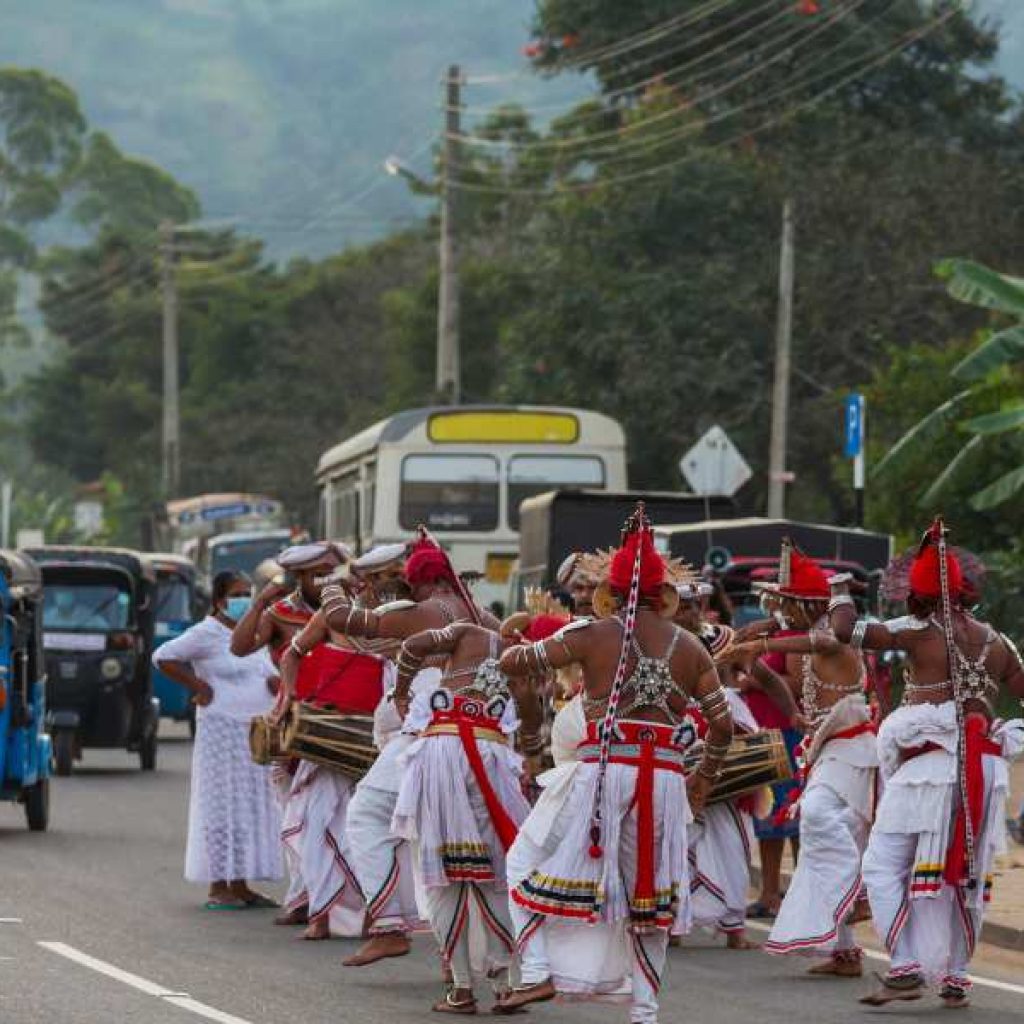
- Esala Perahera (July/August in Kandy): Sri Lanka’s most spectacular festival—a MUST-SEE! Grand procession with decorated elephants, traditional dancers, and drummers over 10 nights
- East coast beach hopping
- Surfing, diving, snorkeling
- Cultural performances in Kandy
- Wildlife safaris (drier conditions make animal spotting easier)
Crowd Levels & Pricing: MODERATE SEASON—European summer holidays bring some tourists to east coast. The West Coast remains quiet. Prices moderate.
What to Pack: Standard beach gear, formal/modest clothing if attending Esala Perahera, and binoculars for festival viewing.
Timing your visit for Esala Perahera creates memories that last a lifetime—it’s one of Asia’s most impressive cultural spectacles!
August: Festival Season Finale 🎊
Weather Conditions: Weather patterns continue from July. West coast monsoon persists but may show a slight reduction in intensity late month. The East Coast remains delightful.
Rainfall Expectations: West/south coasts still wet (200-300mm). East coast dry (40-70mm). Hill country moderately wet (150-200mm).
Best Regions to Visit:
- East Coast: Continue enjoying perfect conditions
- Kandy: Especially if Esala Perahera extends into August
- Northern cultural sites: Excellent weather window
- Cultural Triangle: Hot but safari conditions are excellent
Top Activities & Festivals:
- Esala Perahera finale (if timing overlaps)
- Nallur Festival in Jaffna: Major Hindu festival with colorful processions
- Continued East Coast water activities
- Wildlife viewing peaks (animals gather at waterholes)
- Tea estate visits in Nuwara Eliya
Crowd Levels & Pricing: MODERATE SEASON—Similar to July with balanced crowds. Good availability and reasonable rates.
What to Pack: Similar to July, add cultural festival-appropriate clothing if attending the Nallur Festival.
August offers the perfect combination—stunning festivals, excellent wildlife viewing, and beautiful East Coast beaches!
Explore our specially curated tour packages that maximize your experience based on seasonal highlights.
September: Transitional Month 🔄
Weather Conditions: September marks another transition period. The southwest monsoon begins withdrawing, though showers continue on the west/south coasts. Temperatures remain 27-30°C coastally.
Rainfall Expectations: Decreasing on west coast (150-250mm). East coast still dry (50-100mm). Unpredictable showers are possible anywhere as patterns shift.
Best Regions to Visit:
- East Coast: Last month of peak conditions
- Cultural Triangle: Increasingly comfortable
- Hill Country: Weather improving
- West Coast: Late September shows improvement
Top Activities & Festivals:
- Final East Coast surf season push
- Wildlife safaris are excellent (dry season concluding)
- Temple visits island-wide
- Preparing for west coast reopening
Crowd Levels & Pricing: LOW TO MODERATE SEASON—One of the best value periods. Fewer crowds everywhere.
What to Pack: Versatile clothing for changing weather, a light rain jacket, and layers for varying conditions.
September is the savvy traveler’s secret—you catch the tail end of east coast perfection while western regions start clearing up!
October: Weather Shift & Inter-Monsoon 🌀
Weather Conditions: October brings significant change. The northeast monsoon begins affecting the east coast while the west coast improves dramatically. Temperatures 27-29°C with high humidity.
Rainfall Expectations: Increasing on east coast (150-250mm). Decreasing but unpredictable on west coast (150-200mm). Short, heavy afternoon thunderstorms are common.
Best Regions to Visit:
- West & South Coasts: Rapidly improving conditions
- Hill Country: Beautiful but wettest period approaching
- Cultural Triangle: Good conditions
- Coastal areas require flexibility: Quick-moving weather systems
Top Activities & Festivals:
- Deepavali (Hindu Festival of Lights): Spectacular celebrations, especially in Tamil areas
- Transitioning from east to west coast activities
- Safari opportunities continue
- Beginning of west coast surf season
Crowd Levels & Pricing: LOW SEASON—Excellent deals available. Smart planning is required for the weather.
What to Pack: Rain gear essential, quick-dry clothing, waterproof bags, flexible mindset for weather changes.
October requires strategic planning, but those willing to work around occasional showers score incredible deals and have attractions to themselves!
November: Northeast Monsoon Settles In 🌊
Weather Conditions: The northeast monsoon firmly establishes itself. West/south coasts become increasingly pleasant (26-29°C), while the east coast enters its wet season.
Rainfall Expectations: Heavy on the east coast and northern areas (200-350mm). Moderate to low on west/south coasts (100-150mm, decreasing). Hill country wettest period (200-300mm).
Best Regions to Visit:
- West & South Coasts: Rapidly becoming prime destinations
- Cultural Triangle: Excellent conditions
- Avoid: East coast (unless you don’t mind rain)
Top Activities & Festivals:
- Unduvap Poya: Buddhist festival with illuminations
- West coast beaches reopening
- Surfing season begins on the south coast
- Whale watching season preparation (starts late November/December)
- Temple festivals in the cultural triangle
Crowd Levels & Pricing: SHOULDER TO HIGH SEASON—Tourist numbers are climbing. Book early for the December continuation.
What to Pack: Beach vacation gear for west coast, light rain protection, festive clothing for potential celebrations.
November is when smart travelers return to the West Coast—beat the December rush while enjoying increasingly perfect conditions!
December: Peak Season Returns 🎄
Weather Conditions: December rivals January as the best time to visit Sri Lanka. West/south coasts enjoy ideal conditions (27-30°C) with minimal rain. Perfect beach weather combines with holiday festivities.
Rainfall Expectations: Minimal on west/south coasts (50-100mm). East Coast continues monsoon (250-350mm). Hill country drying out (100-150mm).
Best Regions to Visit:
- West & South Coasts: Absolutely prime time
- Cultural Triangle: Excellent weather
- Hill Country: Cool, clear days perfect for exploration
- Avoid: East coast (heavy monsoon continues)
Top Activities & Festivals:
- Christmas & New Year celebrations: Especially vibrant in coastal tourist areas and Colombo
- Whale watching begins in Mirissa
- South coast surfing peaks
- New Year’s Eve beach parties
- Safari adventures
- Cultural site tours in perfect weather
Crowd Levels & Pricing: PEAK HIGH SEASON—Maximum crowds, premium prices. Book 3-4 months ahead for best availability and rates.
What to Pack: Beach essentials, smart-casual for upscale dining, festive wear for celebrations, and reservations for popular restaurants.
December creates magical moments—tropical warmth meets festive cheer, and the entire West Coast becomes one giant celebration!
Ready to plan your perfect Sri Lankan adventure? WhatsApp us at +94 77 848 4250 for personalized itinerary planning!
Best Time by Travel Type 🎯
Best Time for Beaches (East Coast vs West Coast) 🏖️
West & South Coast Beaches (Colombo, Bentota, Hikkaduwa, Galle, Unawatuna, Mirissa, Tangalle):
- BEST: December-March (peak conditions)
- GOOD: November, April
- AVOID: May-September (monsoon)
East Coast Beaches (Trincomalee, Nilaveli, Uppuveli, Arugam Bay, Pasikuda, Kalkudah):
- BEST: May-September (peak conditions)
- GOOD: April, October
- AVOID: November-March (monsoon)
Pro Strategy: Visit west coast December-April, or flip your itinerary and enjoy east coast May-September. You can actually visit Sri Lankan beaches year-round by choosing the right coast!
Best Time for Wildlife Safaris 🐘
Prime Safari Season: February-September (dry season in most parks)
- Yala National Park: February-July (best leopard sightings, park closes September for maintenance)
- Udawalawe National Park: Year-round, but February-September optimal
- Minneriya/Kaudulla: July-September (famous elephant gathering)
- Wilpattu National Park: February-October
Why dry season: Animals congregate at water sources, making viewing easier. Vegetation is less dense.
Best Time for Hill Country & Tea Plantations 🍵
Ideal Months: January-March & August-September
- Clearest skies for mountain views
- Perfect for hiking Ella Rock, Little Adam’s Peak, World’s End
- Tea picking and factory tours year-round
- Adam’s Peak pilgrimage season: December-April (especially January-February for best weather)
Note: Hill country is beautiful year-round, but can be misty/rainy in April-May and October-November. The mist adds mystique but limits mountain vistas.
Best Time for Cultural Triangle 🏛️
Optimal Period: December-September (excludes heavy monsoon)
- BEST: January-March, July-September (driest, clearest)
- MANAGEABLE: April-June (hot but manageable with early starts)
- CHALLENGING: October-November (wettest, but still doable)
Sigiriya, Dambulla, Polonnaruwa, and Anuradhapura are accessible year-round, but climbing Sigiriya Rock in pouring rain isn’t fun!
Best Time for Budget Travelers 💰
Cheapest Periods:
- April-June & October-November: Lowest accommodation rates (30-50% off peak prices)
- What to expect: Occasional rain, fewer tourists, incredible value
- Strategy: Focus on regions with better weather during these months (east coast May-September, west coast improving late November)
Moderate Pricing:
- September & March: Shoulder season deals with decent weather
Best Time for Honeymooners 💑
Most Romantic: December-February
- Why: Perfect beach weather, calm seas, stunning sunsets
- Where: West/south coast luxury resorts, private villa experiences
- Bonus: New Year’s Eve celebrations add special magic
Alternative (Fewer Crowds): November or March
- Same great weather emerging/lingering
- Better rates than peak season
- More intimate experiences with fewer tourists
East Coast Romantic Escape: June-August
- Pristine beaches, fewer crowds
- Unique “off-the-beaten-path” honeymoon story
Contact us to design your perfect romantic Sri Lankan escape!
Quick Reference Table 📊
| Month | Weather | Best Regions | Crowd Level | Price Range |
|---|---|---|---|---|
| January | ☀️☀️☀️ Excellent | West/South Coast, Hill Country, Cultural Triangle | ⭐⭐⭐⭐⭐ Very High | 💰💰💰💰💰 Premium |
| February | ☀️☀️☀️ Excellent | Entire Island | ⭐⭐⭐⭐⭐ Very High | 💰💰💰💰💰 Premium |
| March | ☀️☀️ Very Good | West/South Coast, Cultural Triangle | ⭐⭐⭐⭐ High | 💰💰💰💰 High |
| April | ☀️🌧️ Good/Hot | East Coast, Hill Country | ⭐⭐⭐ Moderate | 💰💰💰 Moderate |
| May | 🌧️☀️ Mixed | East Coast, Cultural Triangle | ⭐⭐ Low-Mod | 💰💰 Budget |
| June | ☀️🌧️ Region-Dependent | East Coast (Excellent) | ⭐⭐ Low-Mod | 💰💰 Budget |
| July | ☀️🌧️ Region-Dependent | East Coast, Hill Country | ⭐⭐⭐ Moderate | 💰💰💰 Moderate |
| August | ☀️🌧️ Region-Dependent | East Coast, Cultural Triangle | ⭐⭐⭐ Moderate | 💰💰💰 Moderate |
| September | 🌧️☀️ Transitional | East Coast (ending), Cultural Triangle | ⭐⭐ Low | 💰💰 Budget |
| October | 🌧️🌧️ Variable | Cultural Triangle, West (improving) | ⭐ Very Low | 💰 Very Budget |
| November | ☀️🌧️ Improving | West/South Coast, Cultural Triangle | ⭐⭐⭐ Moderate | 💰💰💰 Moderate |
| December | ☀️☀️☀️ Excellent | West/South Coast, Hill Country, Cultural Triangle | ⭐⭐⭐⭐⭐ Very High | 💰💰💰💰💰 Premium |
Legend:
- ☀️ = Sunny | 🌧️ = Rainy
- ⭐ = Crowd Level (1-5)
- 💰 = Price Level (1-5)
Frequently Asked Questions ❓
What is the wettest month in Sri Lanka?
The wettest month varies by region! October is generally the wettest month for the hill country (Nuwara Eliya, Kandy) with 300-400mm of rainfall. For the west coast, June brings the heaviest monsoon rains (300-400mm), while the east coast sees maximum rainfall in November-December (300-400mm).
However, “wettest” doesn’t mean non-stop rain. Even during monsoon months, you’ll experience sunny periods, and showers often come in short, intense bursts rather than all-day drizzle.
Can you visit Sri Lanka during the monsoon season?
Absolutely! This is one of the biggest misconceptions about Sri Lankan travel. The key is understanding that when one coast hasa monsoon, the other coast is sunny.
During the southwest monsoon (May-September), the east coast is spectacular—perfect beaches, fewer crowds, and great deals. When the northeast monsoon arrives (October-January), the west and south coasts are ideal.
Plus, the Cultural Triangle (Sigiriya, Dambulla, Polonnaruwa) remains accessible year-round with strategic planning. Many experienced travelers actually prefer the monsoon season for incredible value and authentic experiences!
Want help planning a monsoon-season itinerary that keeps you in the sunshine? Email us at vindys2022@gmail.com for expert route planning!
What’s the cheapest time to visit Sri Lanka?
The absolute cheapest periods are April-June and October-November—these inter-monsoon and shoulder months offer 30-50% discounts on accommodations compared to peak season.
Best Budget Strategy:
- May-September: Visit the East Coast (perfect weather + low prices)
- Late October-November: Hit the west coast as it improves (great deals before December rush)
You’ll find flight deals are also typically better during these months. However, “cheap” doesn’t mean compromising—you’ll still enjoy beautiful weather if you plan regionally!
Budget Tip: Book directly with local tour operators like Vindys Tours rather than international booking platforms to get authentic local rates.
How many days do I need in Sri Lanka?
Minimum: 7-8 days to cover highlights (beaches + culture + wildlife)
Ideal: 10-14 days for a comprehensive experience without rushing
Ultimate: 18-21 days to truly explore multiple regions, relax, and dive deep into local culture
Sample 10-Day Itinerary:
- Days 1-2: Colombo & Cultural Triangle (Sigiriya, Dambulla)
- Days 3-4: Kandy & Hill Country (Nuwara Eliya or Ella)
- Days 5-6: Wildlife Safari (Yala or Udawalawe)
- Days 7-10: Beach relaxation (choose coast based on season)
Sri Lanka is surprisingly diverse for its size—every extra day lets you add experiences like whale watching, surfing, ayurvedic spa treatments, or cooking classes!
Is December a good time to visit Sri Lanka?
YES! December is one of the best times to visit Sri Lanka, offering:
✅ Perfect weather: West and south coasts enjoy sunny, dry conditions (27-30°C)
✅ Festive atmosphere: Christmas and New Year celebrations create special energy
✅ Multiple experiences: Combine beaches, culture, wildlife, and hill country
✅ Whale watching begins: Mirissa season starts late December
✅ Clear mountain views: Hill country offers stunning vistas
Important Note: December is peak season, meaning:
- Higher prices: Accommodations 40-60% more than low season
- Maximum crowds: Popular sites and beaches get busy
- Booking essential: Reserve 3-4 months ahead for best options
If you want December’s weather without the crowds, consider late November (weather improving, crowds light) or early January (still excellent, but slightly fewer tourists than December holidays).
What should I avoid during my Sri Lanka trip?
Weather-wise:
- Avoid the west/south coast during May-September (southwest monsoon)
- Avoid east coast during November-February (northeast monsoon)
- Avoid the hill country during October (the wettest period)
Cultural sensitivity:
- Don’t wear shoes inside temples
- Don’t turn your back on Buddha statues for photos
- Don’t show excessive public affection
- Cover shoulders and knees at religious sites
- Don’t touch heads (considered sacred in Buddhist culture)
Practical tips:
- Avoid unlicensed wildlife tours (animal welfare concerns)
- Don’t drink tap water (bottled only)
- Avoid driving yourself if unfamiliar with local roads
When can I see elephants in Sri Lanka?
Year-round opportunity! Sri Lanka’s national parks offer elephant sightings throughout the year, but timing affects viewing quality:
Best Elephant Viewing:
- Udawalawe National Park: Year-round reliable sightings (200+ elephants)
- Minneriya National Park: July-September for “The Gathering” (200-300 elephants congregate—spectacular!)
- Kaudulla National Park: August-September alternative to Minneriya
- Yala National Park: February-July (closes September for maintenance)
Dry season (February-September) provides the best viewing because elephants gather at water sources, making them easier to spot.
Want to add ethical elephant experiences? We can arrange visits to reputable sanctuaries where you can observe these magnificent creatures in natural, non-exploitative settings.
Is Sri Lanka safe for solo female travelers?
Yes, with normal precautions. Sri Lanka is generally considered one of South Asia’s safest countries for solo female travelers. The locals are famously hospitable!
Safety Tips:
- Dress modestly (covering shoulders and knees)
- Use registered taxis or reliable ride-sharing apps
- Stay in well-reviewed accommodations
- Be cautious with alcohol consumption in unfamiliar settings
- Book tours through reputable operators
- Trust your instincts—if something feels off, remove yourself
Peak season (December-March) tends to feel even safer due to more tourists and increased tourism infrastructure activity.
Many solo female travelers report wonderful experiences in Sri Lanka. Connecting with a trusted local tour operator adds an extra layer of security and cultural insight!
When is the best time for photography in Sri Lanka?
Depends on what you want to capture:
Beaches & Sunsets:
- West/South Coast: December-March (golden hour magic)
- East Coast: May-September (pristine, uncrowded scenes)
Wildlife:
- February-September (dry season, concentrated wildlife)
- Golden light: Early morning safaris (6:00-9:00 AM)
Tea Plantations:
- January-March (clearest skies, vibrant green)
- Early morning for mist-covered mountains
Cultural Sites:
- December-March & July-September (clear blue skies)
- Sunrise/sunset at Sigiriya Rock is spectacular
Festivals:
- Esala Perahera (July/August): Incredible cultural photography
- Vesak (May): Lanterns and illuminations
Pro Tip: The “golden hours” (6:00-8:00 AM and 4:30-6:30 PM) offer magical light year-round. Sri Lanka’s tropical sun creates stunning contrasts!
Need a customized photography-focused itinerary? Contact Vindys Tours for routes that maximize your best shots!
Can I travel to both coasts in one trip?
Absolutely—and it’s actually recommended for trips longer than 10 days! Since weather patterns are opposite on different coasts, strategic planning lets you chase the sunshine.
Smart Multi-Coast Itinerary Example (2 weeks):
December-April Visit:
- Spend 7-10 days on the west/south coast (perfect weather)
- Add 3-4 days in the Cultural Triangle
- Maybe venture to east coast for the end (monsoon, but often manageable)
May-September Visit:
- Focus on East Coast beaches (5-7 days of perfection)
- Explore Cultural Triangle (3-4 days)
- Quick visit to west coast for departure (you’ll get some rain, but it’s still interesting)
Travel Time: East to west coast takes 6-8 hours by road, making it feasible even for shorter trips.
Bonus: This approach gives you diverse beach experiences—the west coast has more developed infrastructure and nightlife; the east coast offers pristine, laid-back vibes.
Conclusion: Your Perfect Sri Lanka Timing Starts Here 🎯
After exploring every month, here’s the bottom line: The best time to visit Sri Lanka is December through March for most travelers—you’ll enjoy stunning weather, vibrant festivals, and the full Sri Lankan experience across beaches, culture, and wildlife. February specifically offers the driest conditions island-wide.
However, there’s no “bad” time if you plan strategically! The beauty of Sri Lanka’s dual monsoon system means you can always find sunshine somewhere. May through September opens up the spectacular East Coast without the crowds, while offering incredible value.
Your Perfect Match:
- Beach lovers: Dec-Mar (west), May-Sep (east)
- Culture enthusiasts: Jan-Mar, July-Sep
- Wildlife seekers: Feb-Sep
- Budget travelers: Apr-Jun, Oct-Nov
- Photographers: Jan-Mar (versatility)
- Festival lovers: Jan (Duruthu), Apr (New Year), Jul-Aug (Esala)
The most important factor? Book with local experts who understand these seasonal nuances. At Vindys Tours, we’ve spent years perfecting itineraries that work WITH Sri Lanka’s weather patterns, ensuring you experience this paradise island at its absolute best.
Ready to turn your Sri Lankan dream into reality?
🌴 Explore our carefully crafted tour packages designed for every season
💬 Quick questions? WhatsApp us directly at +94 77 848 4250 for instant personalized advice
📧 Email us at vindys2022@gmail.com for detailed custom itinerary planning
📞 Visit our contact page for a comprehensive consultation
Don’t let another season pass—peak season December-March books up fast! Secure your spot now for 2025’s best weather windows. Whether you’re chasing elephant herds at “The Gathering,” watching blue whales breach off Mirissa, or sipping Ceylon tea while watching sunrise over Ella, the perfect time for YOUR Sri Lankan adventure awaits.
Start planning today—your tropical paradise is calling! ☀️🌴✨
This guide is updated for 2025 weather patterns. For the most current travel advisories and personalized recommendations based on your specific dates, contact Vindys Tours—Sri Lanka’s trusted local experts.
0 Comment